
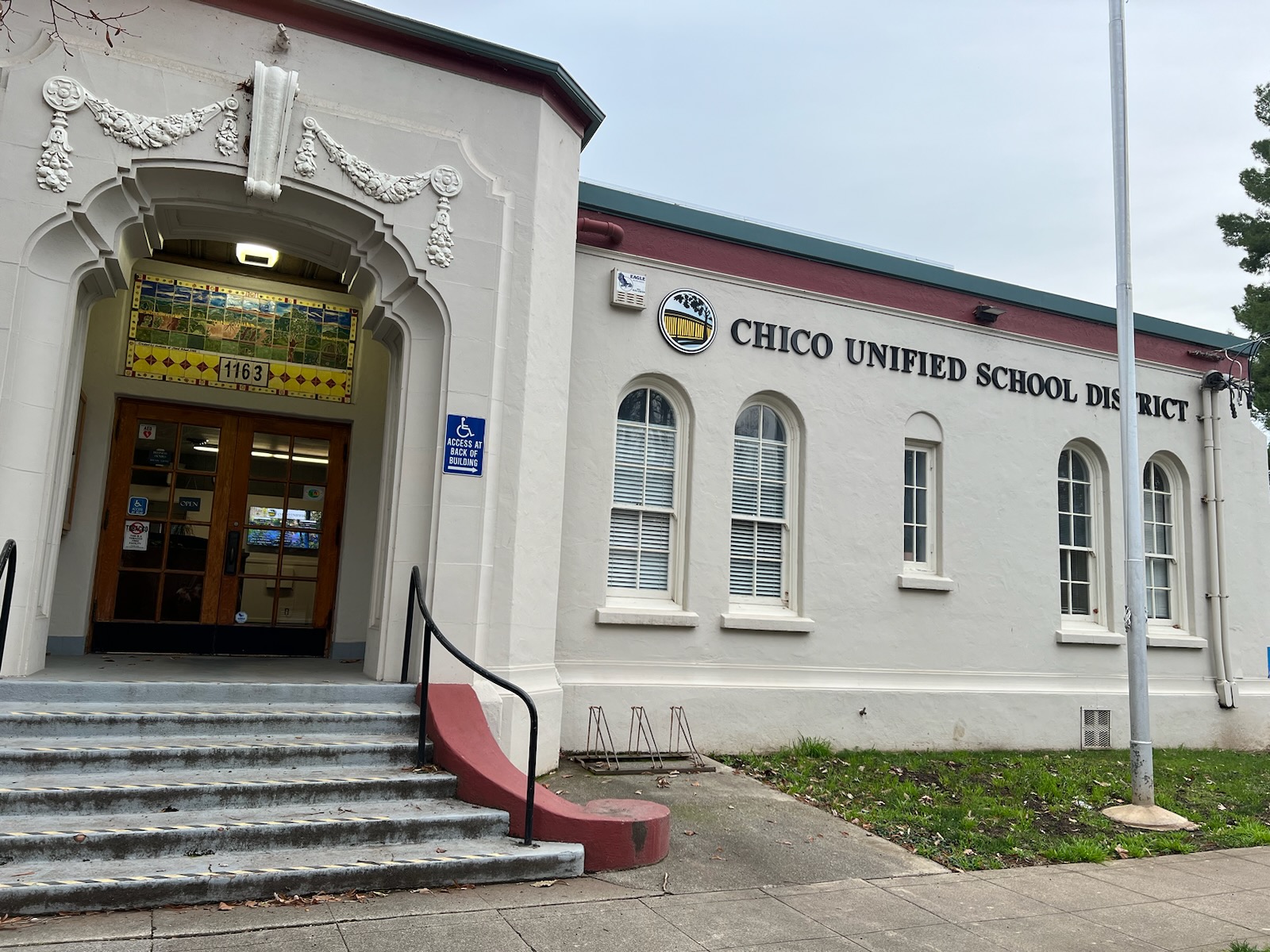
Chico Unified School District trustees have voted against using AI facial recognition and other controversial surveillance features of a $2 million security system it purchased in December.
Responding to public outcry against surveillance on campus, the Board of Trustees voted unanimously Feb. 18 against turning on the facial recognition feature of the cameras, none of which have been installed yet. It also voted 5-0 to create a committee to discuss which other camera features to allow and instructed staff to draft a policy which could completely ban the use of facial recognition and AI in school security.
The company that designed the security system, Verkada, has been involved in a security breach.
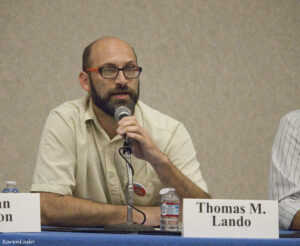
Board member Tom Lando moved for the changes because, he said, he is very concerned about the use of AI to watch over students. After the board approved his motion to study the matter before installing the hundreds of cameras they had purchased, he said their decision was best to help repair the community’s trust in the board due to the approval of the cameras in a previous consent calendar item, which did not allow public comment.
“This is the most important first step,” Lando said.
The board also unanimously approved Lando’s request that staff identify potential costs for doing things “in-house” rather than using AI databases.
The committee charged with studying which features to enable on the hundreds of security cameras before they are installed on school sites will include teachers, staff, students and board members.
Public comment at the meeting showed increasing concern over gathering personal information at schools, including footage of children. More than a dozen people spoke, many criticizing the potential decision to record students and staff on Chico school sites without a clear safeguard or policy.
Student Anthony Rodriguez said that the decision affects how students feel.
“Safety should never come at the cost of privacy, trust and or transparency,” Rodriguez said. “The proposed AI cameras would not simply record video. It would actively analyze students throughout the school day. And as minors, we do not have the ability to not be at school.”
Rodriguez also said that Verkada has faced public controversy due to reports of its employees having access to private information collected by the cameras in a security breach.
“Constant monitoring changes the environment,” he said. “It sends the message that students are being watched first and trusted second. We are not threats to be monitored – we are students.”
Another speaker, Anthony Gonzalez, said that the approval of the cameras without a proper use policy would enable a “global surveillance state.”
“We need to ensure that all of our systems are closed, we do not give anyone access,” Gonzalez said. “All it takes is one bad actor who is too comfortable giving away our information.”
Bidwell Junior High School music program teacher Tanner Johns, who also has children in the district, said that AI facial recognition software should not come to the schools’ campuses at all. He also said that the facilities funds being used for the camera systems is improper when “our sites are crumbling.”
“Have you been on my site?” Johns asked. “For years I have had painters’ tape on the floor for when it rains. I am tired of putting buckets on the floor. We can do better.”
Verkada designed the security system the district purchased from Riverside Technologies, Inc.
Verkada’s website states its regular camera offers enough on-board storage for 30 days of continuously recorded footage. Its cameras include a “People Analytics” function where users can use facial recognition technology to filter people based on attributes like clothing color, and a “Vehicle Analytics” tool which allows users to filter results based on a car’s color and type.
Natalie Hanson is a contributing writer to ChicoSol.
3 Comments
I think the board made the right call pausing facial recognition. The key issue isn’t cameras or AI themselves — it’s how identity data is handled. Centralized cloud systems create permanent exposure and long-term privacy risks, even if they seem convenient.
Chico Unified could still use technology to enhance safety if it adopts local, federated, privacy-preserving approaches: processing on-campus, ephemeral storage, no vendor access, and full transparency. That way, safety and trust can reinforce each other instead of undermining student privacy. A fully funded evolution of such a system on campus toward a federated and decentralized system may be cheaper in a five year span than contracting out services.
If it means one child would have his or her life saved. If there were and active shooter on campus, I personally think it is a great idea.
MuckRock got some info on Butte County’s use of Clearview AI , except, so far, for what it cost.
“Sunshine” buy Jonathan Edwards, but who parks it where the sun doesn’t shine, my dear my dear where did you sleep last night, in the pines? Kudos to Lead Belly and Nirvana.