
The Chico City Council has reversed a March vote on sewer rate increases, and has directed staff — with six of the seven councilmembers in favor — to present new options at a June 16 meeting.
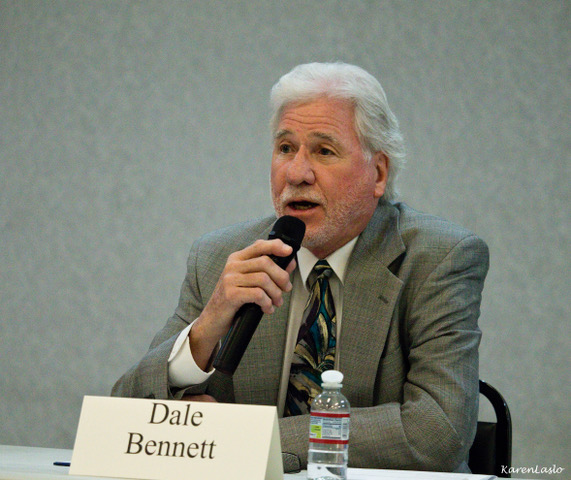
At the April 7 Council meeting, Vice Mayor Dale Bennett asked to reconsider his March vote for rate increases because of concern over the impact of the rate hikes. At that meeting, the Council voted 5-2 to place the matter back on the agenda.
At the May 5 Council meeting this week, Bennett said he didn’t want to stop or delay the increases, but he wants to ensure the City takes all possible measures to reduce costs for businesses and individuals.
“Gravely concerned about the problematic nature rate increases will have on our citizens and business partners and, especially, our restaurants,” Bennett said, asking staff for more options. “For that reason I’m going to change my vote from a yes to a no.”

Councilmember Tom van Overbeek, who also voted no in March, agreed with Bennett, and proposed the option of partially financing sewer costs through bonds, something Councilmember Katie Hawley was opposed to.
Hawley agreed with other councilmembers that delaying the decision could be an option. However, she disapproved of any options that would bring about debt.
“We should not return with the loan financing options that this body should be deeming financially inviable,” Hawley said.
At the final vote, Hawley was the only councilmember who dissented.

Van Overbeek added two matters to the June agenda item: a staff check with the state on regulations, and the matter of considering a finance adviser.
Mayor Kasey Reynolds said the information is still new for the community. “Let them know we have exhausted every remedy be it bonds, be it loans, be it whatever.”
She said she hopes the City won’t have to use bonds or loans to reduce the impact on sewer bills.
Councilmember Bryce Goldstein admitted she was worried about delaying the project further, but also acknowledged the impact of rate increases. “I think it’s been pretty clear from public comment that a 180% increase in the first year is a lot.”
According to the Sewer Enterprise Study, Chico has one of the lowest sewer rates in the region.
At the March meeting, councilmembers Hawley, Goldstein and Addison Winslow voted, along with Bennett, to raise sewer rates drastically over the course of five years. The Council moved forward with hikes that would have raised sewer rates by 180% in August and for the next four years, an increase of 3% per year.
The Council was presented that evening with three other options, two of which would require loans and would raise rates at a slower pace — but would cost more money in the long-term.
At this week’s meeting, six people spoke during public comment, agreeing that the sewer project is needed, but differing on how it should be funded.
Speaker Tracy Vincent said it would be helpful to have transparency about what’s required by both state and federal law.
“I feel like on this one we might have to bite the bullet,” she said. “I think everybody tried their best trying to push off having to pay for this as long as they could, but now we’re down to the wire.”
Speaker Greg Scott said he likes the bond idea. “Debt is either an angel or a devil depending on how you use it.”
Attorney Rob Berry wanted more information about how the City got into this situation, and to take more time looking at options. “The public has been told the sewer rates have not been raised for roughly 20 years,” he said. “And that the City now has an extraordinary need for a correction.”
He said this wouldn’t be the only situation like this in the future, and it’s an opportunity to understand the warning signs.
The Sewer Enterprise Study says the Sewer Fund Reserve is projected to be at $4.4 million for the 2025-26 fiscal year. Previous estimates had forecasted $11.4 million in the reserves.
General operations costs about $11 million annually, according to the study. This isn’t including deferred maintenance and projects required by the state.
The large rate increase over five years would help with a host of problems. The Water Pollution Control Plant is deteriorating, and construction costs have been outpacing general inflation, according to the Sewer Enterprise Study. The plant could manage 12 million gallons per day, but because of the deterioration it’s been reduced to 8.4 million gallons.
“I don’t want to lose sight that we need to do this quickly, because there are needs that need to be addressed right now,” van Overbeek said.
On June 16, staff will present more options based on a short-term rate analysis. Van Overbeek’s amendment to the motion means the City will look for, but not yet retain, a financial advisor.
The Council adjourned, unable to make it to other agenda items related to the sewer.
Chris Hutton is a contributor to ChicoSol.