
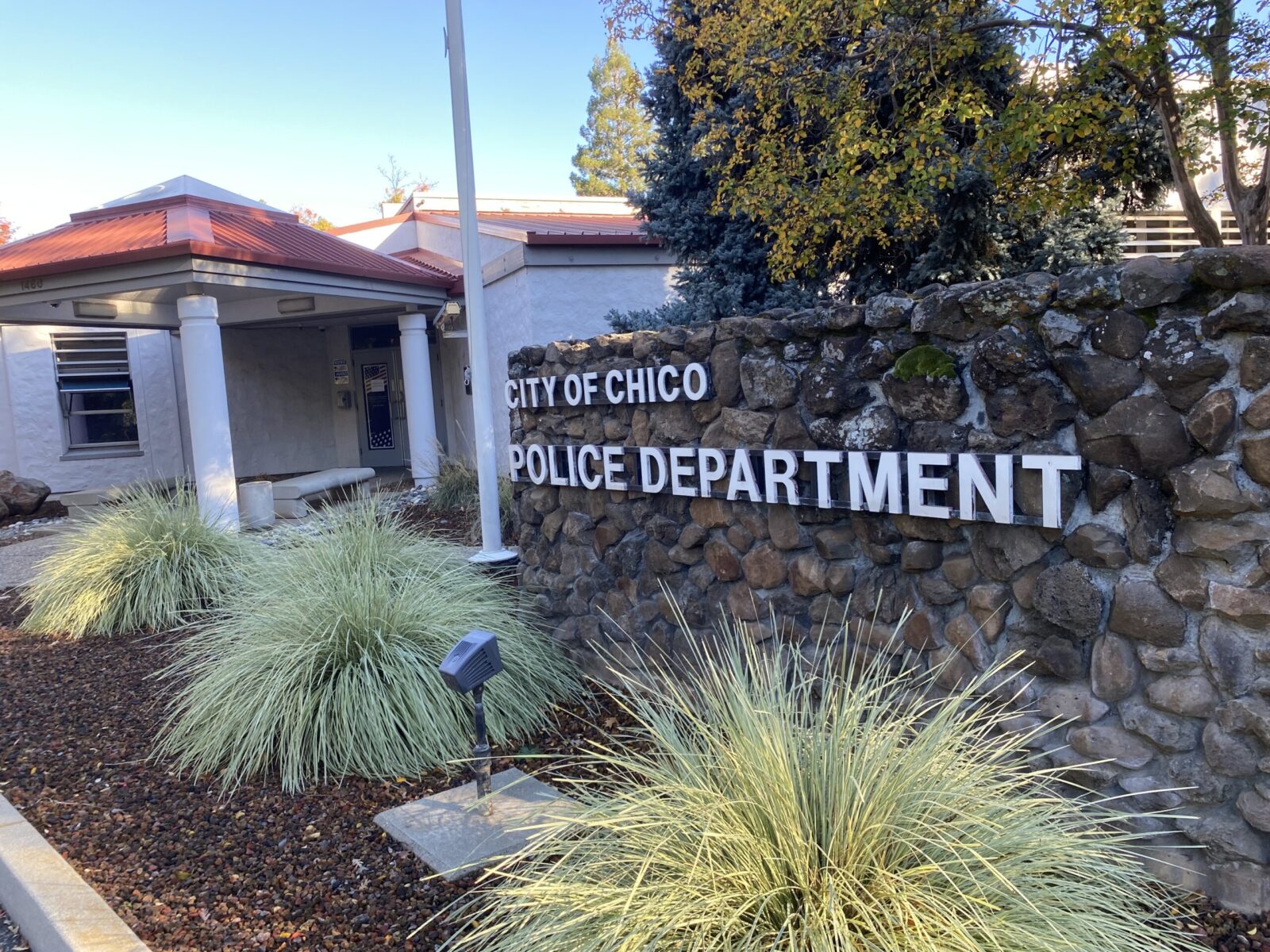
A divided City Council voted 4-2 at its July 14 meeting to revisit a proposed four-year contract with the Chico Police Officers’ Association during a future closed session.
The proposed contract would cover the period from July 1, 2026, through June 30, 2030, and includes negotiated changes to officer pay, benefits, and other terms of employment. It provides for annual raises of 3% in 2026, 3.5% in 2027, and 4% in both 2028 and 2029.
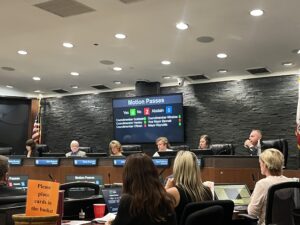
Councilmember Addison Winslow made a motion at the meeting to bring the contract back to a future closed session for discussion. Mayor Kasey Reynolds and councilmembers Katie Hawley and Bryce Goldstein voted in favor of the motion. Vice Mayor Dale Bennett and Councilmember Mike O’Brien were opposed. Councilmember Tom van Overbeek was absent.
Before voting on Winslow’s motion, O’Brien made a substitute motion to approve the contract, and he received support from both Reynolds and Bennett. The motion failed in a tie vote. Van Overbeek’s absence may have affected the outcome, leaving the Council without the majority needed to approve the contract.
When the council later voted on Winslow’s motion, Reynolds also voted in favor — a vote that appeared to surprise City Clerk Deborah Presson, who paused before asking Reynolds to confirm it.
The debate reflected a divide between those who raised concerns about the city’s long-term financial sustainability and those who argue that higher police salaries are necessary for public safety.
Winslow, who pulled the item from the consent agenda for discussion, said the four-year contract is “unusual.” The current contract, a three-year agreement approved in 2023, gave police officers a 15% salary increase in July 2023, in addition to a previously negotiated 5% general wage increase under the 2022 agreement.
“When we gave a 20 % raise to the same association the first year of Measure H, I thought it was a little excessive, but it was such a good reason because we were struggling with vacancy,” Winslow said. “It’s so much not the issue now.
“From the standpoint of the city’s financial health in the long run, this is a longer contract than we’re usually committing to with 4% increases in the end,” Winslow added. “We have a dwindling supply of money for infrastructure. And I’m concerned that we’re getting ahead of ourselves.”
Hawley echoed Winslow’s concern.
“At the end of the day, it would be an estimated cost of $5.82 million over the four-year term,” Hawley said, adding that it was “painful” to see more and more Measure H dollars spent on staffing.
“That’s the voice that I feel this city wants to be heard at the council level,” Hawley added.
Goldstein said she was not “completely happy” with the contract because of concerns about equity among city departments and how Measure H funds should be used.
“I want to make sure that our public employees get raises that are equitable between departments and that we prioritize our Measure H tax dollars for infrastructure where we can,” Goldstein said.
Supporters of the police union contract cited the June 22 library shooting while arguing for higher police pay.
O’Brien, a former police chief, said officers’ quick response to the shooting saved an “untold number of lives” and argued that higher pay and benefits would help the city recruit and retain officers, ultimately improving response times.
“Response time relates to staffing,” O’Brien said. “Staffing is related to recruitment and retention, and recruitment and retention is related to competitive pay and benefits. And that’s what we’re looking to do with this contract. It’s to be competitive, so we do not find ourselves with fewer police officers than what we need.”
Bennett said the 14% salary increase over four years is “not a lot of money” when it comes to public safety.
“It is what is necessary to retain our police department and make it stronger, I hope, to make it what it should be — an entity that will protect us when harm presents itself,” Bennett said.
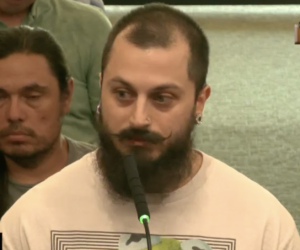
Sam Barber, a Chico resident, spoke in opposition to additional funding for the police department during public comment.
“I’m growing tired of the only resolution to [shooting incidents] being more money to the police, more weapons to the police, more surveillance,” Barber said. “It has not worked; it hasn’t been working.”
Barber suggested more money should be directed toward providing people with mental health care, affordable housing and reducing grocery costs.
Yucheng Tang covers city government for ChicoSol.