
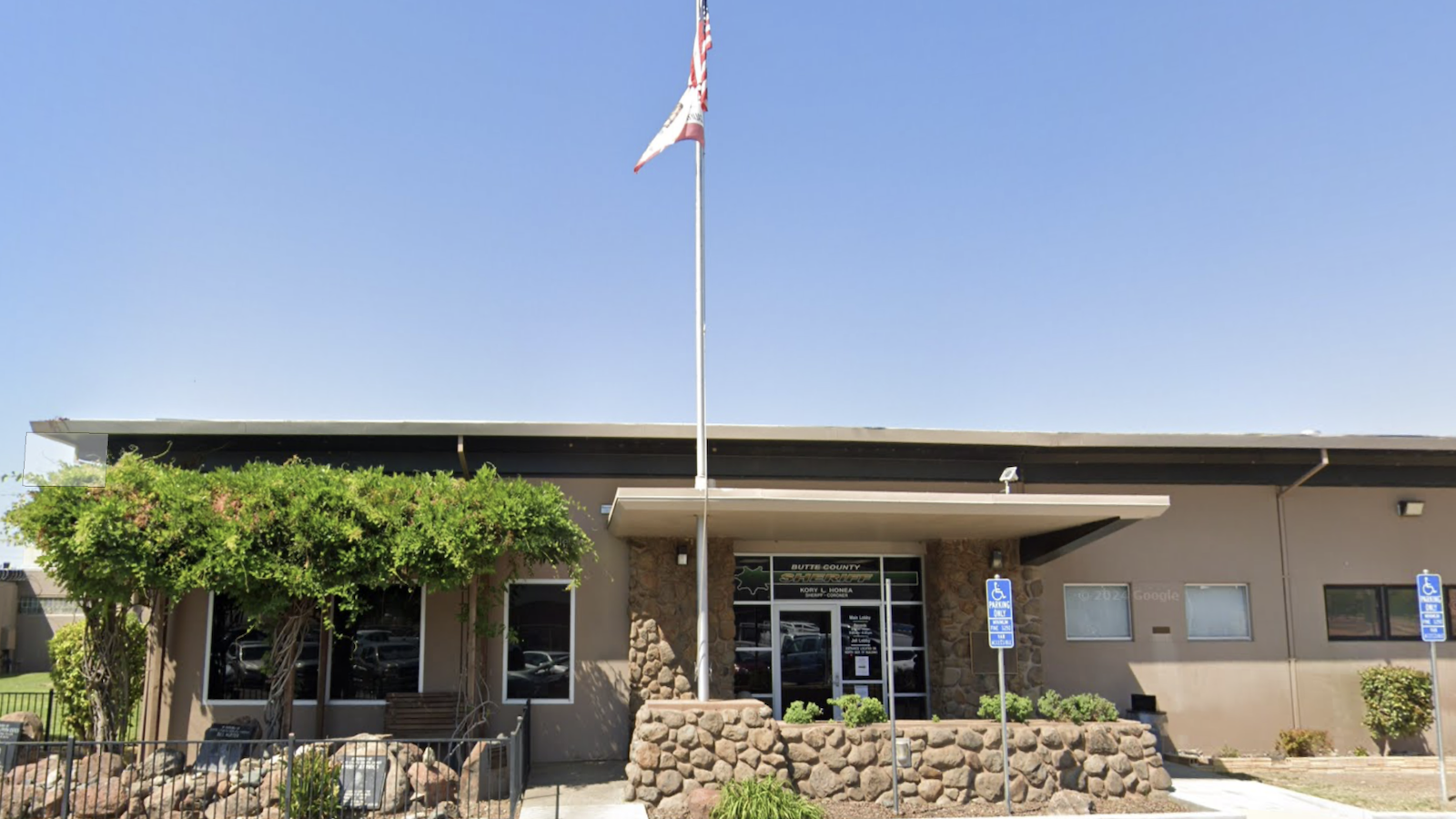
The Butte County Sheriff’s Office is working to address a series of findings from an investigation into the county jail’s healthcare system, brought forward by watchdog group Disability Rights California.
Disability Rights California (DRC), a state-designated independent auditor, inspected conditions at the Oroville facility after receiving complaints of disability rights violations last year. It reported jail personnel failed to adequately provide medication-assisted treatment to inmates with opioid use and substance use disorders.
Megan McMann, a spokesperson for Butte County Sheriff’s Office, told ChicoSol that jail officials are coordinating with the jail’s contracted healthcare provider, WellPath.
“The Butte County Sheriff’s Office continues to review the initial findings and recommendations made by Disability Rights California (DRC) and will evaluate, in conjunction with our contracted medical provider, our ability to implement those recommendations moving forward,” she said.
Medications not always provided
According to the July 27 DRC report, the first of a series of finding letters, “Medication assisted treatment services were restricted in ways that are both clinically and legally inappropriate.” Services some inmates need were not available.
However, the Butte County Sheriff’s Office is now coordinating with DRC to bolster the jail’s medication-assisted treatment policies and improve conditions for disabled inmates, DRC said.
In February, the Sheriff’s Office opened a $44 million dollar expansion of the jail, including 38 beds for medical and mental health needs inmates, as well as a comprehensive intake center.
Butte County jail does not introduce arriving inmates into medical services, the report found. DRC’s findings reveal Butte County jail has only been providing medication assisted treatment to inmates who arrive with active prescriptions issued within 30 days of arriving at the jail.
“The individuals coming into contact with Butte County Jail come through the criminal justice system,” Coty Meibeyer, a senior attorney at Disability Rights California, told ChicoSol. “It’s not surprising that someone may not have an up-to-date prescription, but that doesn’t mean that they don’t have a need for the medication assisted treatment.”
In response to the investigation, jail officials are working with DRC to expand inmate access to medication-assisted treatment, Meibeyer said. “[DRC] was really pleased to see the plans that the jail has to expand the medication assisted treatment to be a comprehensive medication assisted treatment program.”
Supervisors to review jail environment
Butte County Board of Supervisors is set to consider a sheriff’s office request for additional staff in order to expand the jail’s medication-assisted treatment program in September, Meibeyer said, noting an expectation that county officials will take DRC findings into account as the Board of Supervisors reviews expansion of services in the jail.
The report also highlighted concerns about putting inmates experiencing withdrawal symptoms in solitary confinement.
“Placing someone going through physical withdrawal in restrictive housing in a cell by themselves for 23 hours a day … is particularly dangerous for individuals in these vulnerable situations,” Meibeyer said.
DRC expects to release a second, more exhaustive report of its audit sometime this fall, which will expand on the concerns restrictive housing presents to inmates experiencing withdrawal symptoms.
Elias S. Myers is a contributing reporter to ChicoSol and a recent graduate of UC Berkeley.
1 Comment
Hard to believe that medical issues are only addressed if people come in with a prescription. Good for the watch dog agency and good for you for a concise and clarifying article.