
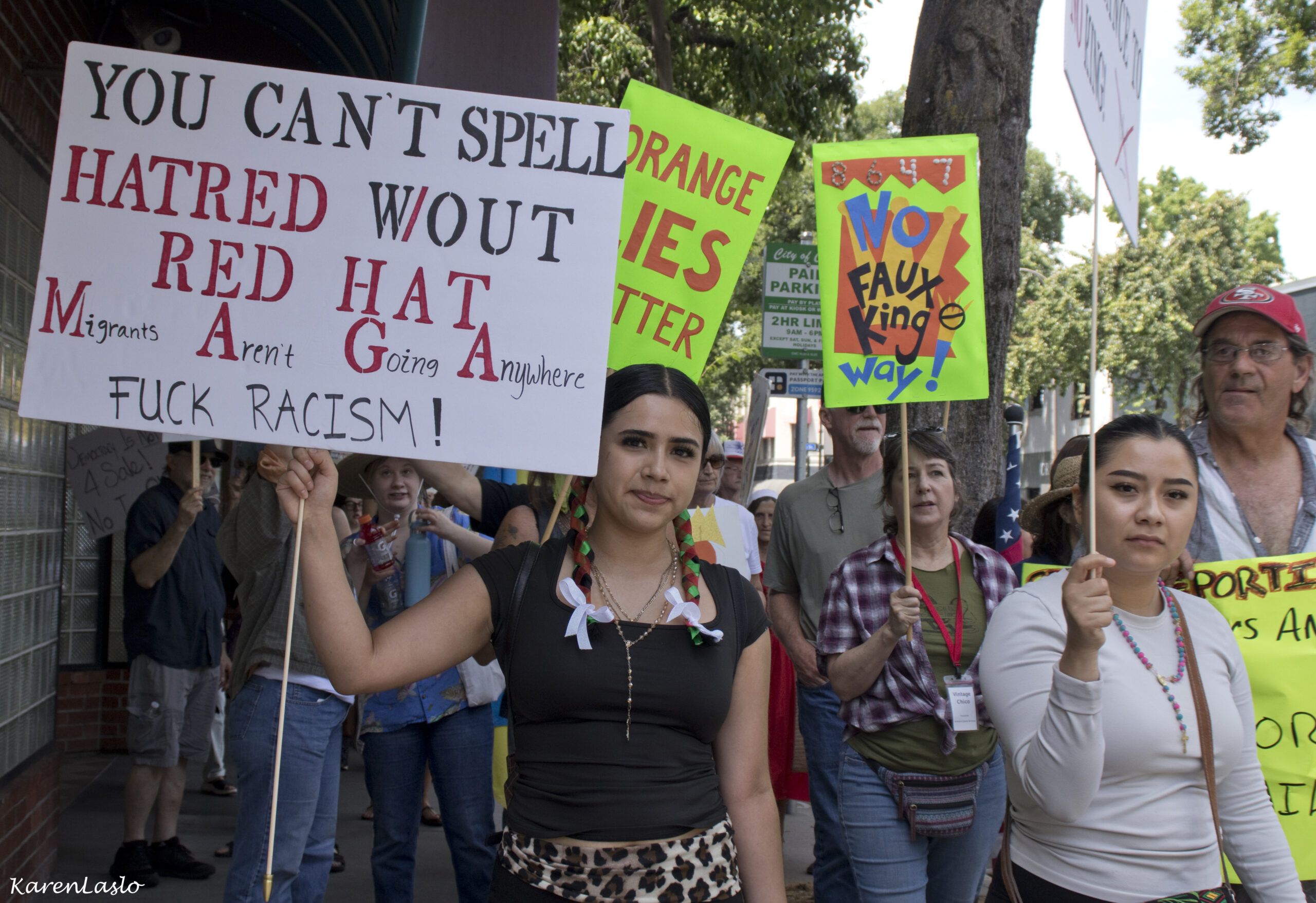
The state attorney general, a former Los Angeles mayor, and an immigration lawyer, at a June 27 panel, vowed to continue the challenge to the Trump Administration’s unlawful assault on California immigrants.

“You can’t physically stop [the Administration]. That’s not possible. But we need to challenge them in every possible way,” Antonio Villaraigosa, a former Los Angeles mayor, told dozens of journalists attending an American Community Media panel. Villaraigosa said that “every way possible” means suing the federal government as well as engaging the public to push back through peaceful protest.
University of California Professor Henry Brady, who also spoke at the panel “California leads resistance to immigrant crackdown,” underscored the importance of immigrants to California’s economy.
“We have lived off of the fact that we have immigrants who come to California and they do extraordinary things,” said Brady, a professor of political science and public policy. “And to stop that flow is to hurt California.”
The U.S. Senate, meanwhile, has opened debate on President Trump’s domestic policy bill that presently includes $8 billion to hire and keep some 10,000 new employees at Immigration, Customs & Enforcement (ICE).
Another panelist at last week’s briefing, California Attorney General Rob Bonta, acknowledged that the fight against Trump’s mass deportation campaign is not easy, and in fact has been made more difficult by the June 27 U.S. Supreme Court ruling that limits the reach of lower court injunctions. As a result of that ruling, future challenges to executive orders will be dealt with on a state-by-state basis.
The immigration crackdown could cost the California economy billions of dollars, said Villaraigosa. The former mayor estimated that cost could climb as high as $275 billion.
“The real violence is being waged against our communities” — Jeannette Zanipatin
The next governor will have to make some tough choices, said Villaraigosa, who is himself running for governor. He noted that the state needs help from the courts, as well as a mass movement of the citizens.
But “mass movement” is difficult to ignite in some parts of rural California, where people are more isolated and scared.
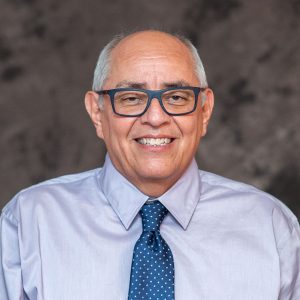
Gridley City Councilmember Ángel Calderón told ChicoSol that in his southern Butte County farm town, young people were interested in recent talk of a possible protest, but their parents were opposed.
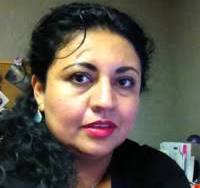
Panelist Jeannette Zanipatin, a lawyer who directs policy and advocacy at the Coalition for Humane Immigrant Rights (CHIRLA), commented at the briefing on racial profiling that has affected even U.S. citizens. “People that are US citizens are carrying their birth certificates, are carrying their passports,” she said.
“We need to change the narrative of what the Trump Administration is trying to portray about [immigrants and protestors] being violent,” Zanipatin said. “The real violence is being waged against our communities — waged by the FBI, by DEA, by ATF, DHS …, and all of this is being fortified by the Marines and the National Guard.”
More than 93 percent of those swept up in recent ICE raids have not committed any violent or serious offense, she said, adding that racial profiling affects Asian-Pacific as well as the Latino communities.
CHIRLA runs a Rapid Response Network to help people who may be approached by people acting as ICE agents, as does NorCal Resist Chico.
“We are looking at what protections we may have as a state to require identification and to not allow individuals to conduct these operations wearing masks,” she explained. “Right now at the state level, there are two bills that are being introduced to prohibit these types of activities.”
Chicosol raised the question of whether the state could require that ICE obtain a subpoena to access DMV records, which ICE uses in order to locate immigrants. Villaraigosa agreed that such an effort should be made. “We should do every means possible to fight this thing,” he said.
“Folks are really afraid to take their children to school, to go to medical appointments, to go to places of worship,” Zanipatin said. “Folks are too afraid to get groceries for themselves and their families, to go to work. What we’re seeing is a lot of individuals afraid to go anywhere in Los Angeles.
“Organizations and different policy makers are coming together to provide that mutual aid, to take food to families who need food. It’s an all-hands-on-deck situation right here in LA.”
Butte County farmers depend on some immigrant workers
In a telephone interview, Councilmember Calderón noted that farmers in Corning, Gridley and other communities depend on immigrant labor. Calderón estimates that roughly 70 percent of Butte County’s agricultural workforce is undocumented. Many of the workers have been residents for years or even decades, and have jobs, homes and have raised their children here, he added.
Calderon said he suspects ICE agents have already scouted the area, and he noted that many people believe they eventually will come back.
But David Welch, a member of the Democratic Central Committee in Chico, noted that agriculture in this area has become highly mechanized and there are fewer immigrant workers than there once was.
At a June 27 know-your-rights workshop conducted by North Valley Catholic Social Services, several Latino families listened to a Spanish-language presentation on how to protect themselves in encounters with ICE officers. Workshop leader Ana Camacho said there haven’t yet been raids in this area.
Birthright citizenship challenge still unresolved
Bonta said last week’s Supreme Court ruling ended up being “a mixed bag” in that it did not address President Trump’s effort to undo the 14th Amendment to the U.S. Constitution that bestows citizenship to everyone born in this country, including immigrants.
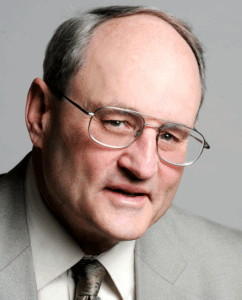
Professor Brady, though, commented on Trump’s actions that curtail the independence of universities, noting their importance to the state’s economy and the benefits of innovation and entrepreneurship that are nourished at institutions of higher education.
Brady listed four other areas — besides attacks on universities — where the Trump Administration is hurting California economically: 1) tariffs on goods coming into California ports; 2) removal of immigrants from the workforce; 3) cuts to Medicaid and food stamp funding to the state; and 4) the mobilization of troops, without prior consultation, that harmed people and flew up against a governor’s wishes.
The assault on immigrants is causing too much damage, panelists said.
“It’s just unacceptable, it’s unamerican,” Villaraigosa said. “It has to be a flashpoint for those of us who believe in our democracy.”
Lindajoy Fenley has worked as a journalist in Latin America and the United States and contributes to ChicoSol as a writer, translator and administrator. Editor Leslie Layton contributed reporting to this story.
This story was produced as part of “Aquí Estamos/Here We Stand,” a collaborative reporting project of American Community Media exploring the impact of the Trump Administration’s war on immigrants in communities across California.