
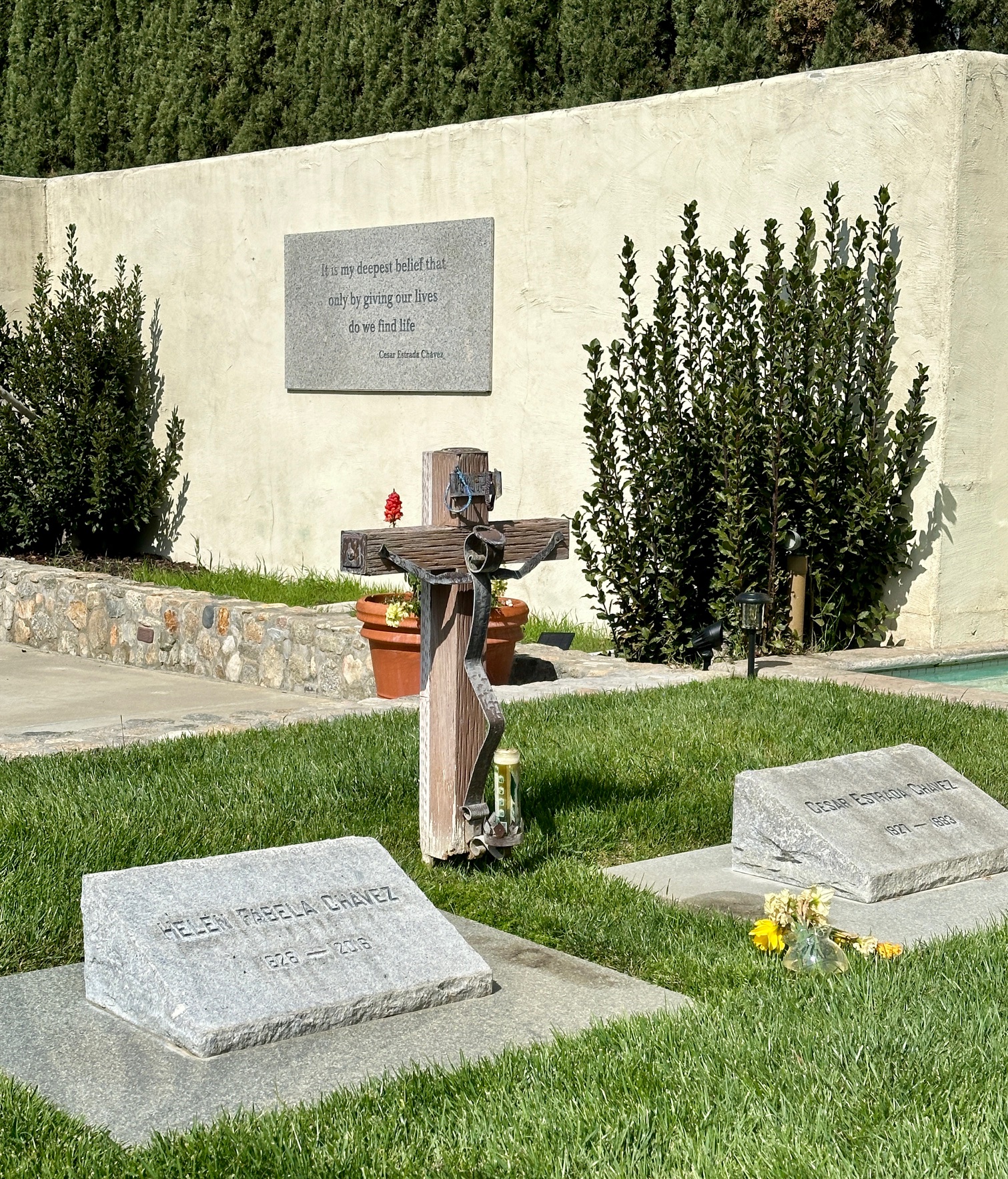
The legacy of United Farm Workers co-founder Cesar Chavez is under transformation in the North State – as it is in the rest of the nation – as plans for honoring the March 31 state holiday are cancelled.
Chico State President Steve Perez announced in a March 20 email that the annual ’Cats in the Community service event, that in the past was held on March 31, would be “adjusted.” Instead, Perez said, Community Action Volunteers in Education (CAVE) will host volunteer opportunities throughout April, which, he pointed out, is also Sexual Assault Awareness Month.
“We are making this change to support our community and to ensure our service efforts are not tied to [Cesar Chavez Day],” Perez wrote in the email to the campus community.
The move comes in the wake of sexual assault allegations that were recently made against the late Chavez that have devastated his legacy. A March 18 story by the New York Times – that was the result of five years of investigation – described interviews with two women who said they were abused by Chavez as young girls, as well as UFW co-founder Dolores Huerta who said she was assaulted by him.
The North State Hispanic Chamber of Commerce, a regional organization based in Chico, cancelled its annual celebratory event.
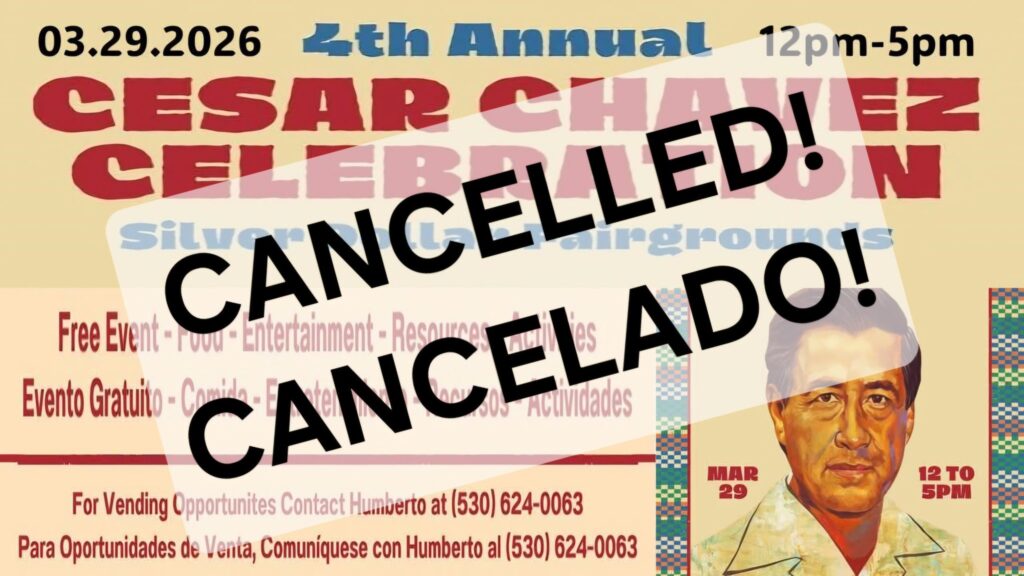
“We’ve been struggling with a very sad situation, but if the allegations are true — and it looks like they are — we are sharing sadness for women who went through this,” said Humberto Rangel, treasurer for the Chamber. “This is overwhelming for us as Latinos, to have one of our leaders’ [legacy] to just collapse in three days.”
Indeed, since publishing the exposé, the Times has detailed the removal of Chavez’s name from statutes, schools and streets across the nation at breakneck speed. The allegations as well as the soiled Chavez legacy have been particularly saddening to many Latinos.
Rangel points out that it took many years of work to win recognition for Chavez and the UFW, which is credited with dramatically improving working conditions for farmworkers. Prior to the movement led by Chavez and Huerta, farmworkers often had no access to toilets and drinking water during a work day, and if they were undocumented, they were sometimes not even compensated for their labor.
Maya DeHoyos, a second-year Chico State student who is an opinion writer for the newspaper The Orion, said she finds it “absurd” that schools are “removing his name from the curriculum.”

“I think it is very important to not only recognize the positive impacts he has made, but also the hurt he has caused,” DeHoyos wrote in an email to ChicoSol. “Erasing this history is what I fear, for how will our future know of the atrocities that can hide behind any powerful figure?”
Chico State’s CAVE jumps in
In his email, Perez addressed the conflicted feelings people may have and noted the university will be closed on March 31 as usual. (Chavez’s birthday became a state holiday in 2000. California was the first state to honor him with a legal holiday after years of lobbying by grassroots organizations.)
“Many are also experiencing a sense of betrayal as they reconcile the image of a civil rights leader with allegations that undermine that legacy,” Perez wrote.
Campus officials have worked over many years to shift the holiday’s focus from partying to community service; many local residents have found it offensive that some students were donning sombreros or other costume pieces to depict stereotypes of Latino workers.
Katey VonMosch, program director of CAVE, said some of the March 31 activities that had been planned will now be offered in April. For example, students will put together “birthday boxes” for low-income families at the Esplanade House that will help them celebrate a child’s birthday.
“Our goal is to be offering a menu, if you will, for opportunities to be involved in all of the month April and into May,” she said.
The UFW’s success story
Jose Luíz González, who chaired the Hispanic Resource Council of Northern California from 1988 to 2003, said he and his parents worked in the fields for many years, and his parents were marginally involved in the union. Back then, there were “rumblings,” he said, and unconfirmed rumors that Huerta had given birth to two children by Chavez.

Back then, he said, “You did not talk about mental health; you did not talk about child abuse; you did not talk about rape.”
González said the union changed conditions for families like his. Before the big strikes, marches and the 1965 Great Delano Grape Strike, González said his parents – documented farm workers — were exploited repeatedly. Growers could tell farmworkers that they had been unable to sell their product and therefore couldn’t pay what they had promised. “You take the money, you go on to the next job,” González said, pointing out that they had no recourse.
In order to have a hot meal during a long day in the fields, his parents would wrap burritos in foil and place them on the engine of their Ford pick-up. “When you drive from Field A to Field B” the food is warmed, he said. “The union [improved] salaries and benefits and access to water.”
González, who worked as a paralegal in Chico and now lives in Bakersfield, said he’s in favor of changing the holiday’s name to Farmworkers Day — a name that would honor the many people in the movement and in the fields. But he’s disturbed by the inconsistencies in some people’s approach to sexual abuse and harassment, which “occurs in all industries” and should be stopped. In some cases allegations ruin a legacy, while in others it’s seemingly tolerated.
“If you’re from the right pedigree, they want more facts, they want more data. But when it comes to Dolores or Chavez, they don’t care,” González said.
This story was corrected on March 24 to remove the reference to an invitation to Chavez’s grandson for the March 31 celebration — which has now been cancelled — by the North State Hispanic Chamber of Commerce.
Leslie Layton is editor of ChicoSol.