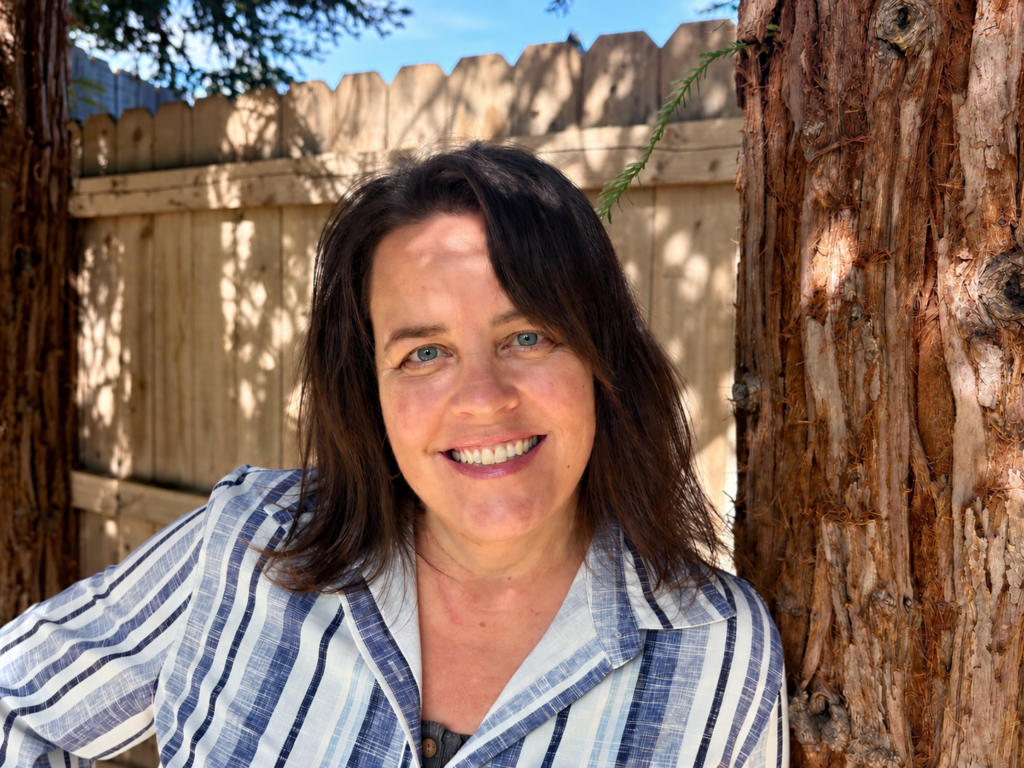
It was 2021 when Marianne Paiva’s domestic well on her 80-acre almond farm began pulling sand instead of water. The farm, and her home, ran solely on groundwater, and when the sand came up, water didn’t flow to the shower or almond trees.
It was the second year of a statewide drought that forced communities to draw heavily from their groundwater supply — depleting wells and diminishing a supply that takes a significant amount of time to replenish.
“This is what it means to all of a sudden go from having a family farm for 56 years and then not having enough water and being forced to sell,” Paiva, who is also a sociology lecturer at California State University, Chico, told students, faculty and staff earlier this month during a sustainability conference.
Paiva and other local domestic well owners are concerned this will happen again because of groundwater thresholds set by the agency that’s tasked with ensuring long-term sustainability of the water beneath the surface.
Chico sits atop the Vina Subbasin, which supplies much of Chico’s drinking water, keeps groundwater-dependent ecosystems alive through the dry seasons and supplies water to the majority of farmland. The subbasin is managed by the Vina Groundwater Sustainability Agency (Vina GSA).
This agency was established in 2017 via the Sustainable Groundwater Management Act, a 2014 law requiring local agencies to manage groundwater basins sustainably. Vina GSA is preparing to submit a periodic evaluation and amendments of its sustainability plan to the state’s Department of Water Resources.
The most contentious point concerns two lines that signify where Vina GSA wants and doesn’t want the water table for each well. The first line — called the measurable objective — averages 57 feet below the surface and it’s where staff predict the water table should stabilize for long-term sustainability. The second line — called the minimum threshold — is a regulatory line that averages 123 feet below the surface.
Frustrated citizens want the minimum threshold raised, in part, because if the water table dropped to that level for two consecutive wet years, the state would force corrective action.
“They (board) don’t want the government to step in,” one attendee at the conference said. “They can continue to dry out the water. They can continue to pump.”
Groundwater for Butte, an advocacy group that has been pushing for the regulatory line to be raised, explains on its website that everything in between the two lines is like a savings account.
But dip far enough into that savings account and some shallow, domestic wells could go dry. If the Vina Subbasin reached the regulatory line, 32% of domestic wells would go dry — just as Paiva’s did.
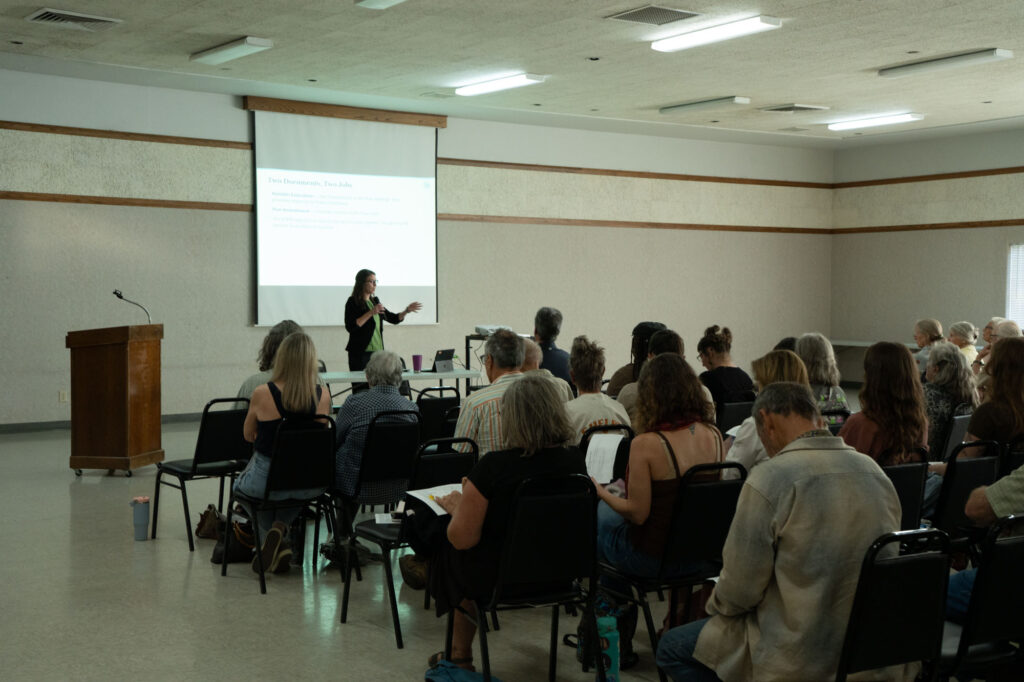
Butte County’s Assistant Director for Water and Resource Conservation Christina Buck said they don’t have enough data to know where the regulatory line should be, despite GSA reports showing that about 400 wells would be at risk of going dry if the water table reached the regulatory line they’ve set.
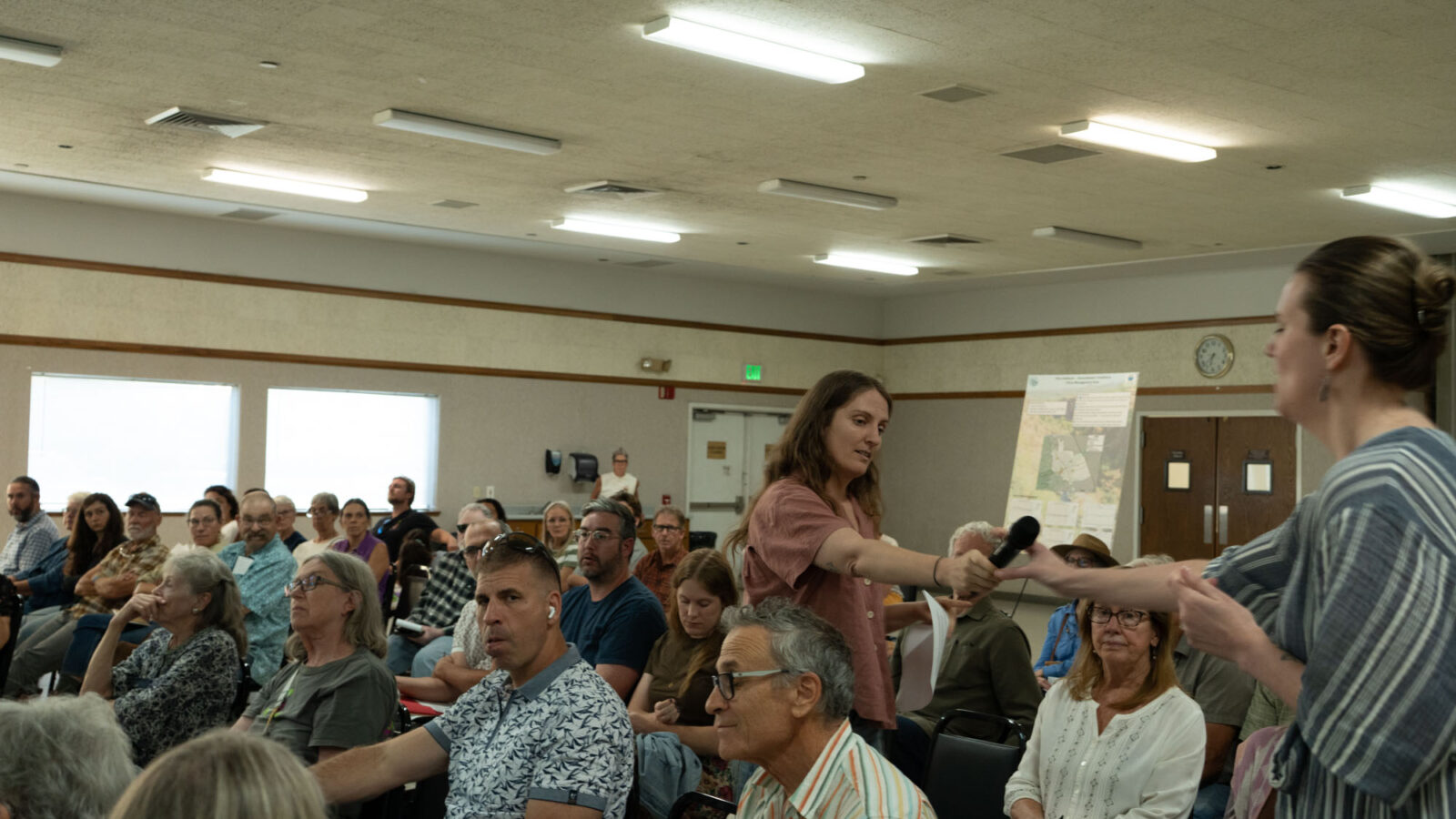
Blake Ellis from Groundwater for Butte pressed Vina GSA staff at a Sept. 16 public workshop on the topic. “What evidence do you have that these minimum thresholds (regulatory line) will protect beneficial users? If 32% of wells can go dry, how is that protective?”
Beneficial users include any municipality, company or person who uses the groundwater supply.
Buck responded by saying the regulatory line is meant to establish undesirable effects, and said the question that the Vina GSA is trying to answer is if those undesirable effects would occur before the regulatory line was reached.
“That’s the question, and that is a local decision that is made by the board,” she said.
At the public workshop, a domestic well owner expressed fear about a mitigation program slated to start in 2027 which would kick in if someone’s well stopped pulling water.
The plan would provide bottled water and tanks or improved well infrastructure, if not replace the wells altogether. Some domestic well owners saw that as a sign the board was okay with sacrificing their wells.
“You’re going to bring me bottled water. You’re going to bring me some water to shower with until one day, I don’t get a new well. I have to wait for Cal Water to come,” the domestic wells owner at the workshop said.
“Why do I get to be affected that way?” She asked.
Vina GSA staff read an anonymous comment card at the workshop: “You stated that the minimum threshold (regulatory line) was set by the board. That is precisely the issue. The current board does not represent the public.”
On Aug. 12, the board, 3-2, decided not to raise the regulatory line and instead implement a warning line approximately 20 feet below the measurable objective called “local management level,” that acts as a warning sign but would not trigger regulatory action.
“The local management levels are not regulatory,” Ellis said. “They are recommendations. And we’ve already seen how the board responds to recommendations. They don’t listen.”
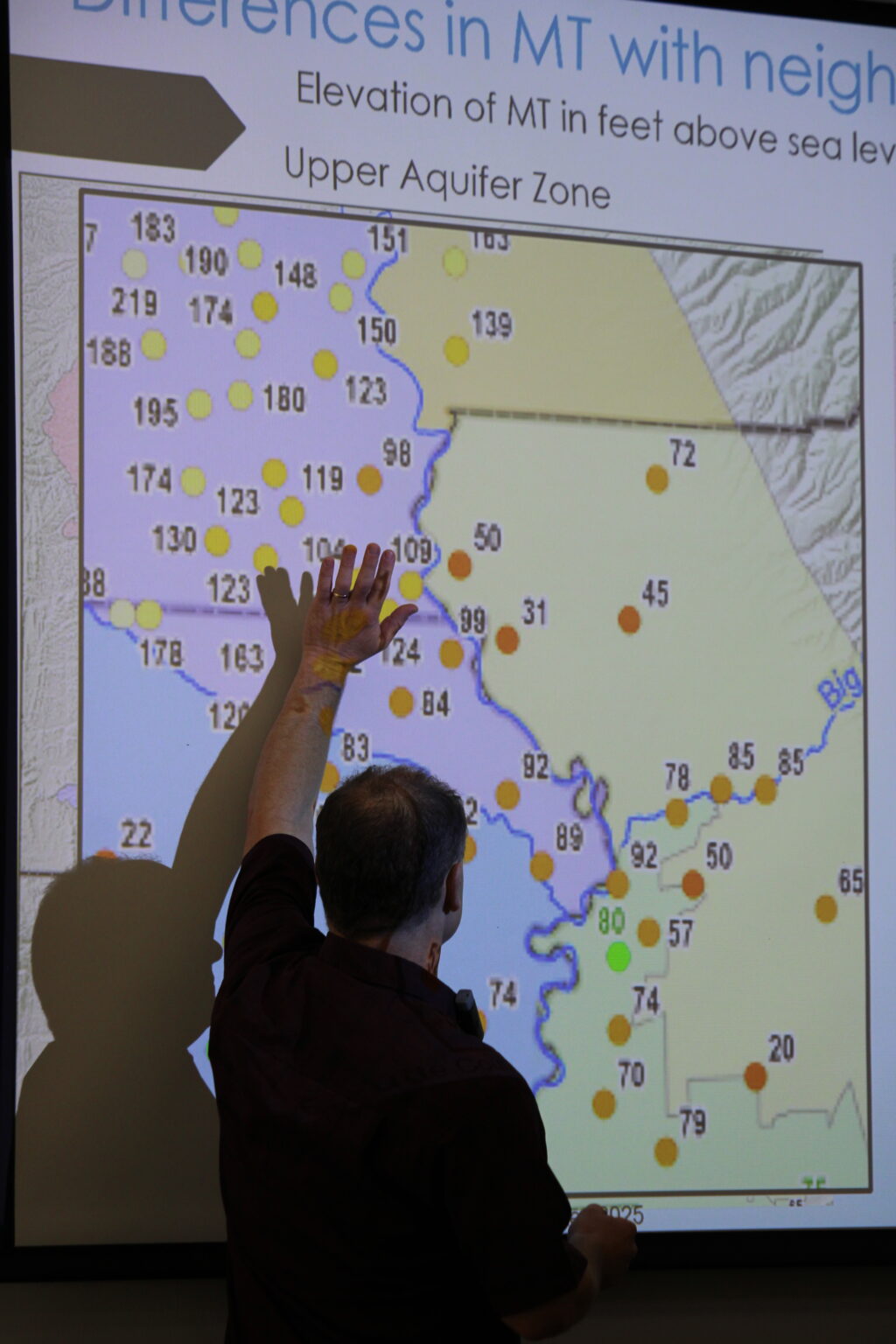
Chico State Professor of Earth and Environmental Sciences Todd Greene, a member of the stakeholder advisory committee for the agency, presented another option. He recommended adding the warning line and raising the minimum threshold, something that is set to be revisited at today’s board meeting.
While much of the public’s anger was targeted at the minimum threshold line, Paiva was focused on the line that the Vina GSA is trying to maintain the water table. She’s worried because the measurable objective is set lower than where the water table was when her well dried up — the same drought that left Paiva’s and 30 other well owners without water, according to Vina GSA’s 2022 annual review.
“We’ve lived those levels,” Paiva said at the workshop. “We know those levels, and we know that dozens of wells went dry.”
At the public workshop, Buck confirmed that Paiva was correct. Buck said the math that determined where the measurable objective should be is a “blind path” and “it’s going to take time to ride the ship and stabilize those levels.”
“Your ideal scenario is drought level; that’s your goal,” Paiva said.
The board is not considering raising the measurable objective, but fierce public pushback over its August decision to keep the regulatory line where it presently is to a reconsideration at its Oct. 14 meeting at 5 p.m. in the Chico Council Chambers.
ChicoSol sent an email to the VinaGSA requesting comment from the board and did not recieve a response by time of publication.t
Chris Hutton covers city government for ChicoSol