Skip to the content
Crossing borders in the Northern Sacramento Valley
Support Us
Subscribe
News & analysis
Arts
Musical Portraits
Poetry
Community
Changemaker
Obituaries
Resources
Criminal Justice
Courts
Policing
Education
Environment
Climate Change
Fracking
Water
Health
Health care
Mental Health
Highway 99
Housing & homelessness
Immigration
In Brief
Politics
Special Projects
Podcasts
Videos
En español
Point of view
About us
About ChicoSol
Our Team
Subscribe
Membership
Corrections & Ethics Policies
Terms of Use
Search for:
Follow us:
Facebook
Instagram
October 2022
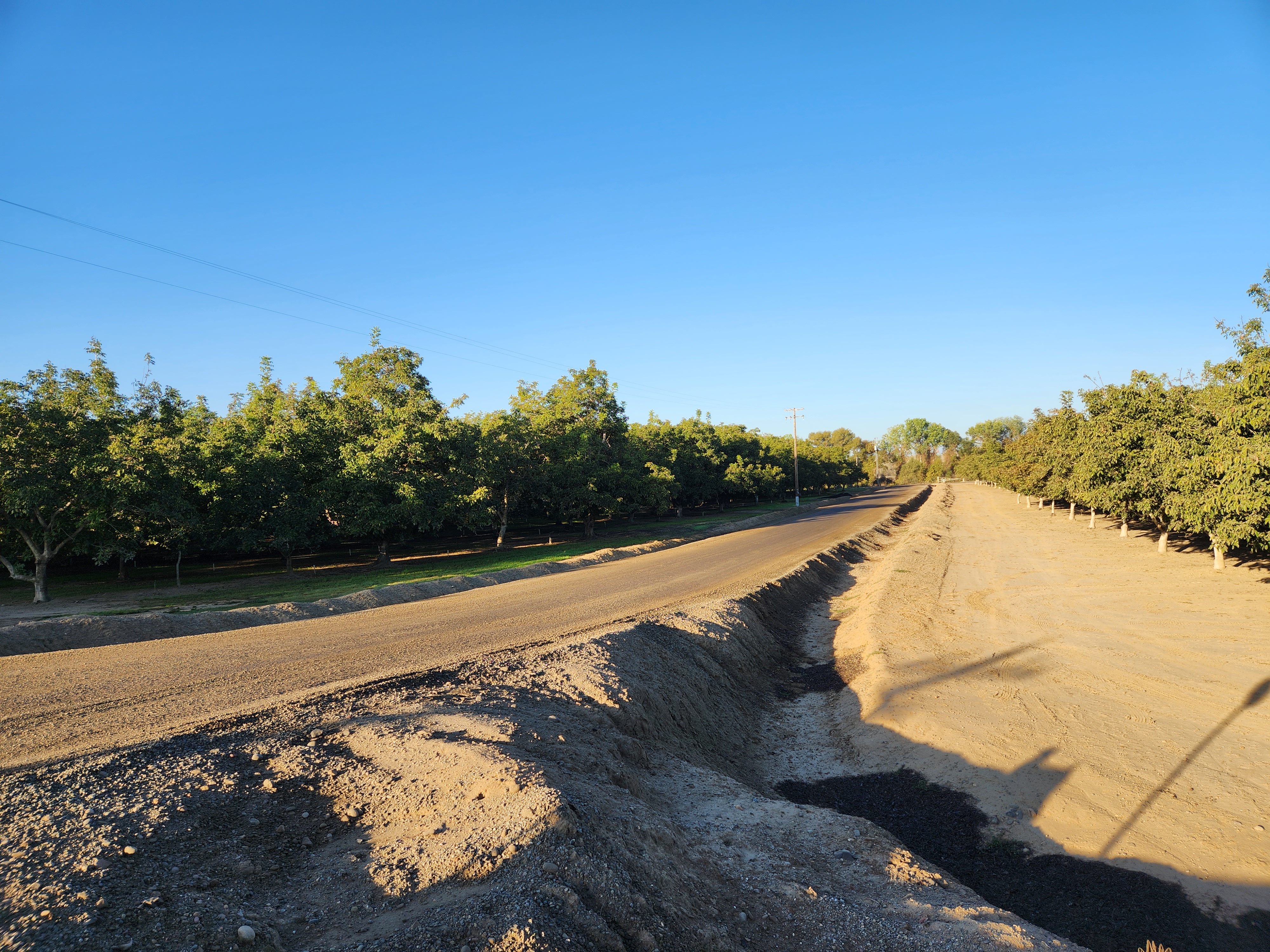
Adapting agriculture to new climate demands
Global warming: "Humans made it, humans can unmake it"
October 28, 2022
Richard Roth
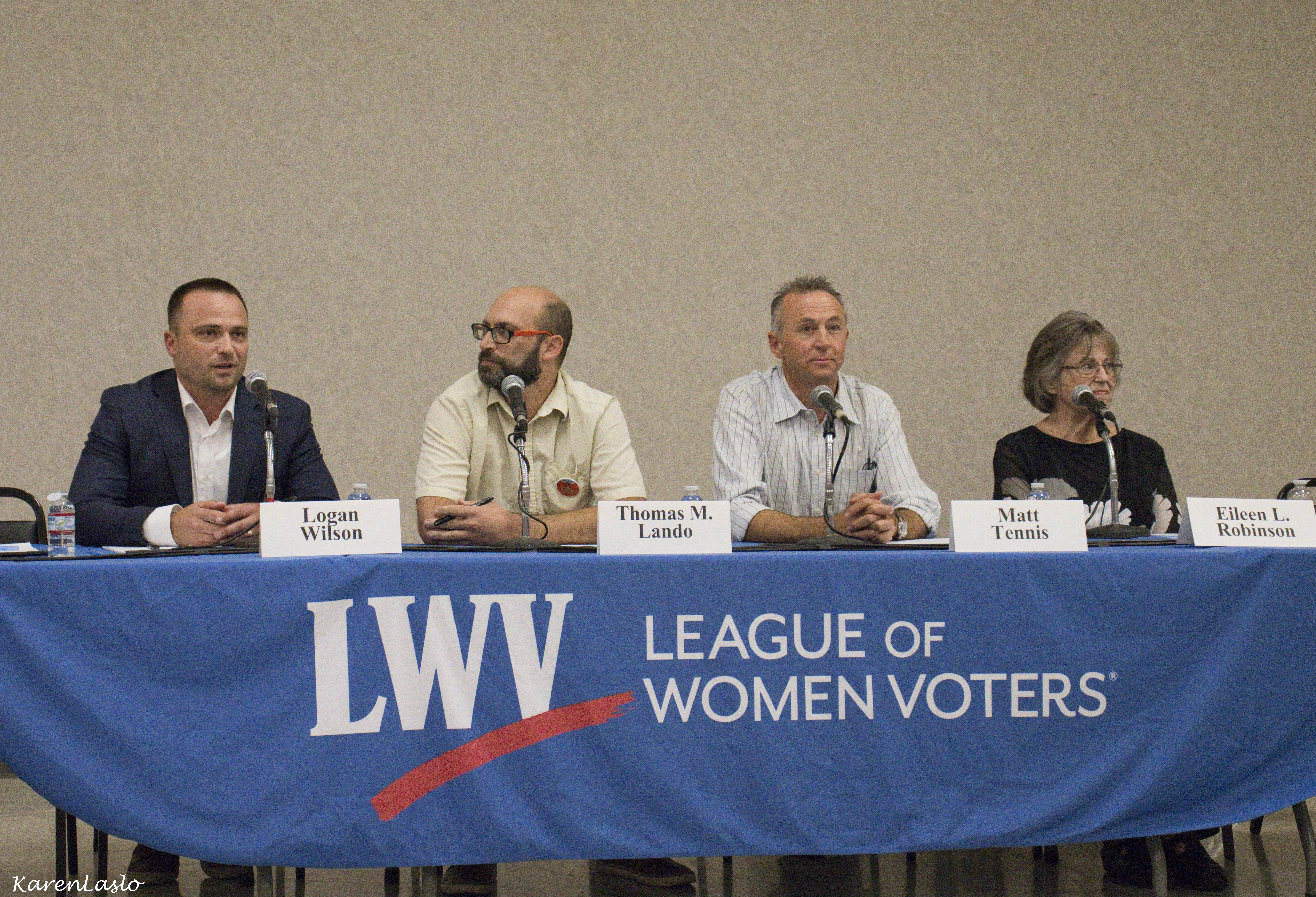
Cash rolls into races for 3 school board seats
New PAC helps fund conservative candidates in unusually partisan race
October 14, 2022
Natalie Hanson
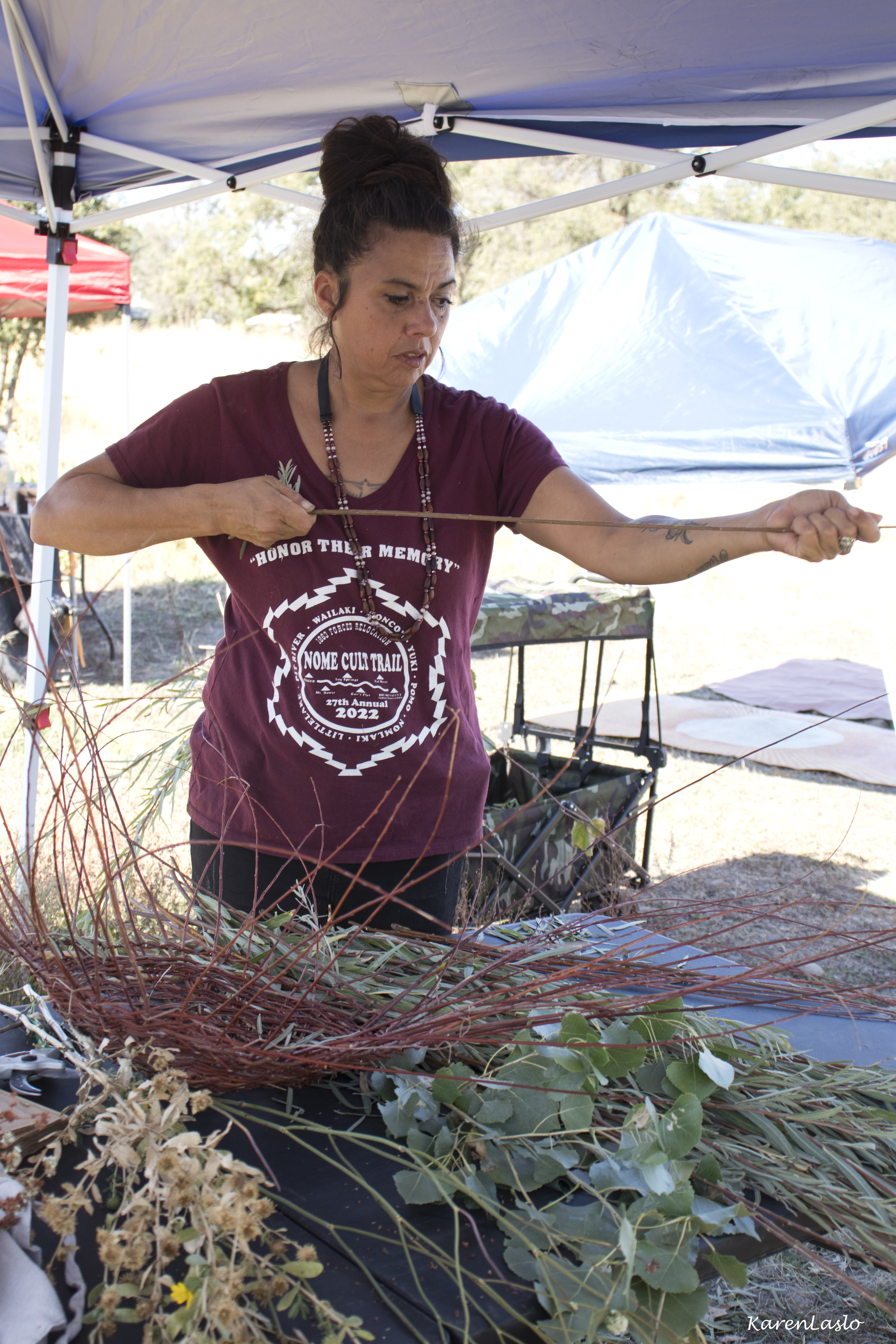
TEK celebrates Indigenous Peoples Day
Chicoans visit Verbena Fields to work and observe
October 11, 2022
ChicoSol staff
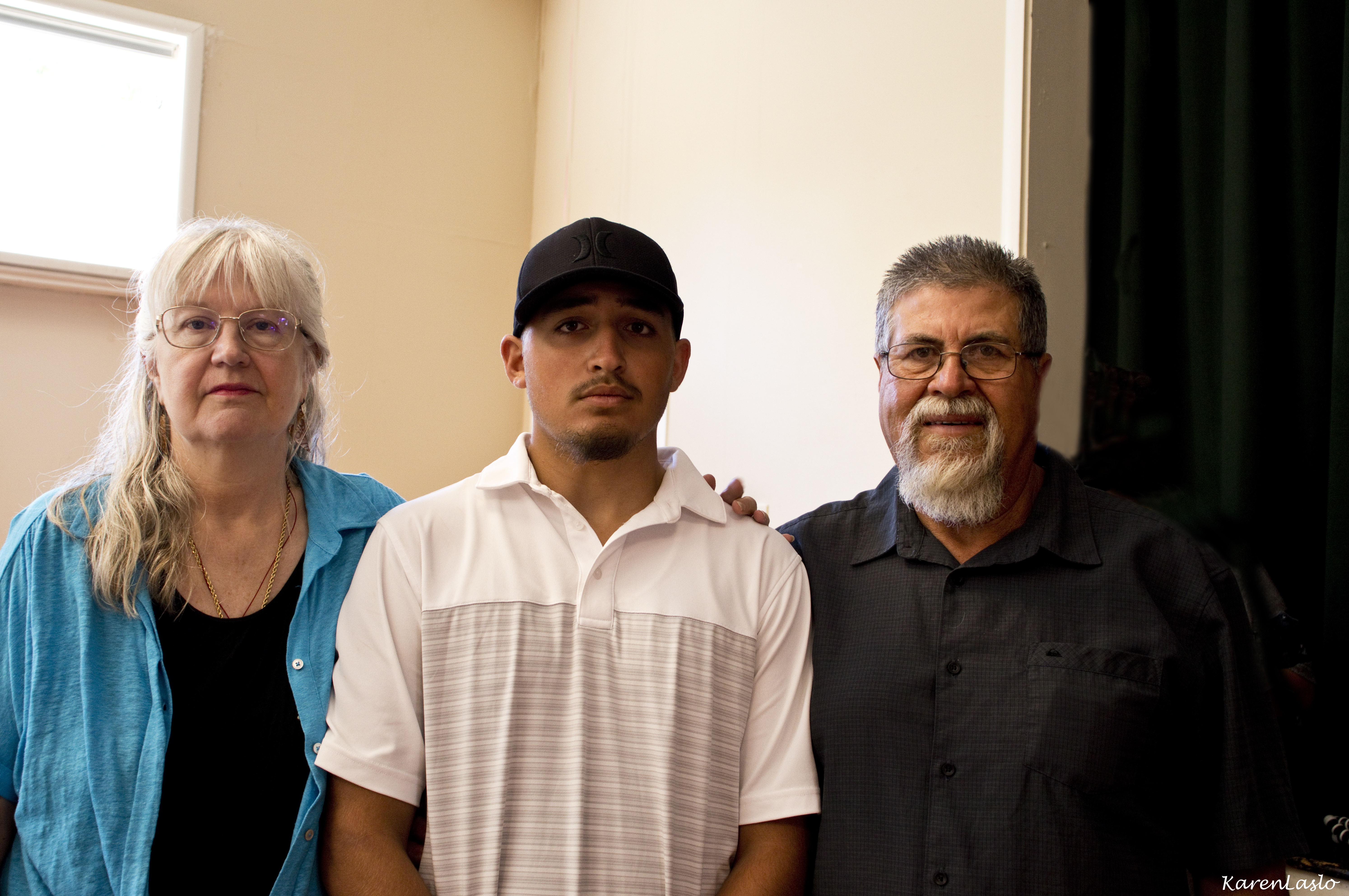
Chico PD sued over ‘Gabe’ Sanchez slaying
ChicoSol’s coverage raised doubts about his killer’s story
October 3, 2022
Dave Waddell
By continuing to use this site you agree to the use of essential browser cookies. See our
privacy policy.
OK