Safe Space works to overcome hurdles to intake

Unhoused people may be stranded during storm
by Leslie Layton and Natalie Hanson | Posted November 20, 2024

photo by Karen Laslo
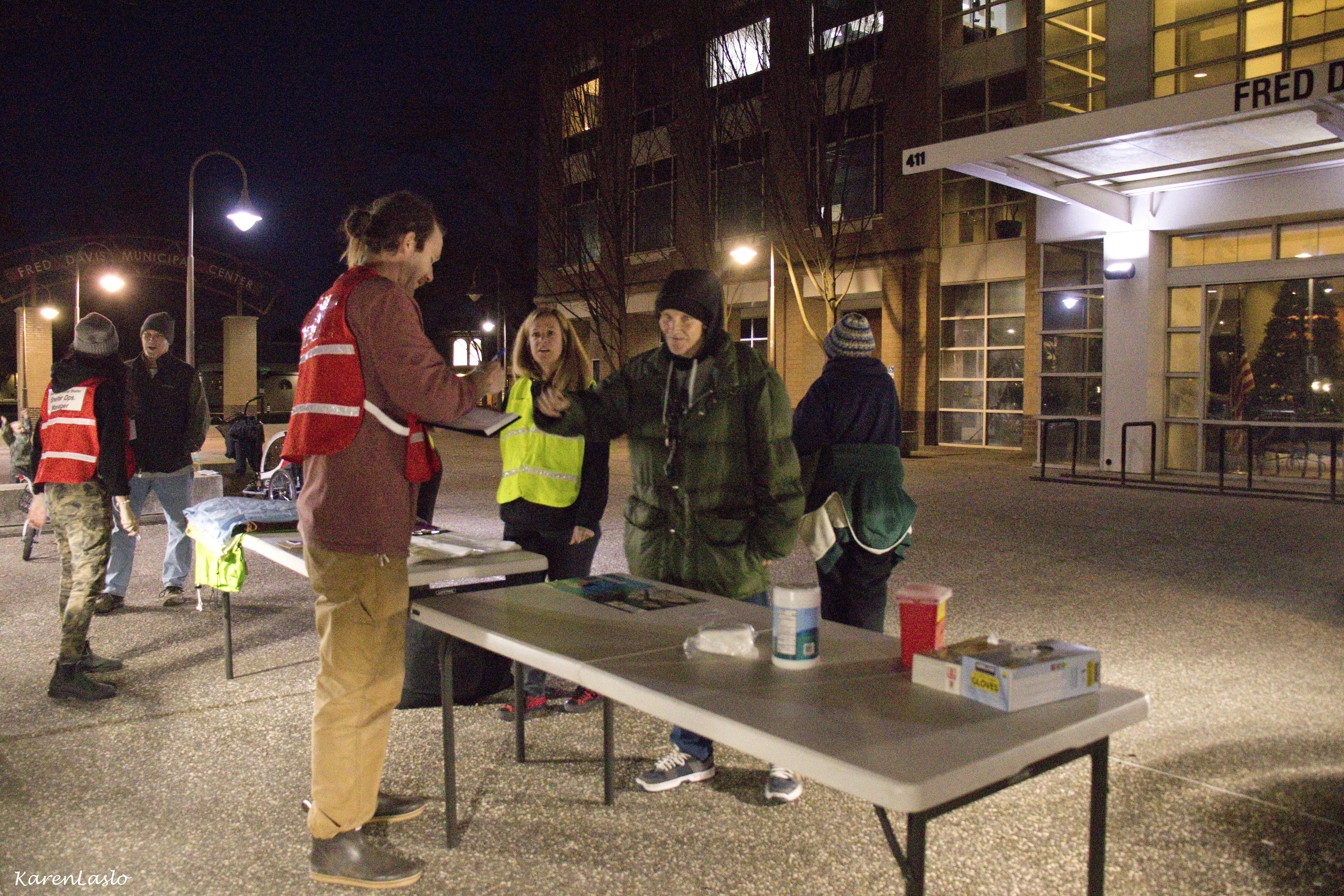
Safe Space volunteers checked in people who needed shelter during an intake held near the municipal center last winter.

The nonprofit organization Safe Space is working to get emergency night-time sheltering available by Christmas Day as unhoused people struggle with this week’s downpour.

Forecasts were indicating that up to 10 inches of rain were possible in Chico between today and the end of the week, as well as localized flooding. Safe Space Executive Director Hilary Crosby said outreach teams were on the streets handing out tarps and making sure homeless community members “knew about the storm coming through.”

“I don’t have anything [at this point] to provide people so they can get warm or dry off,” Crosby said early today. “We’re checking on people to make sure they have what they need.”

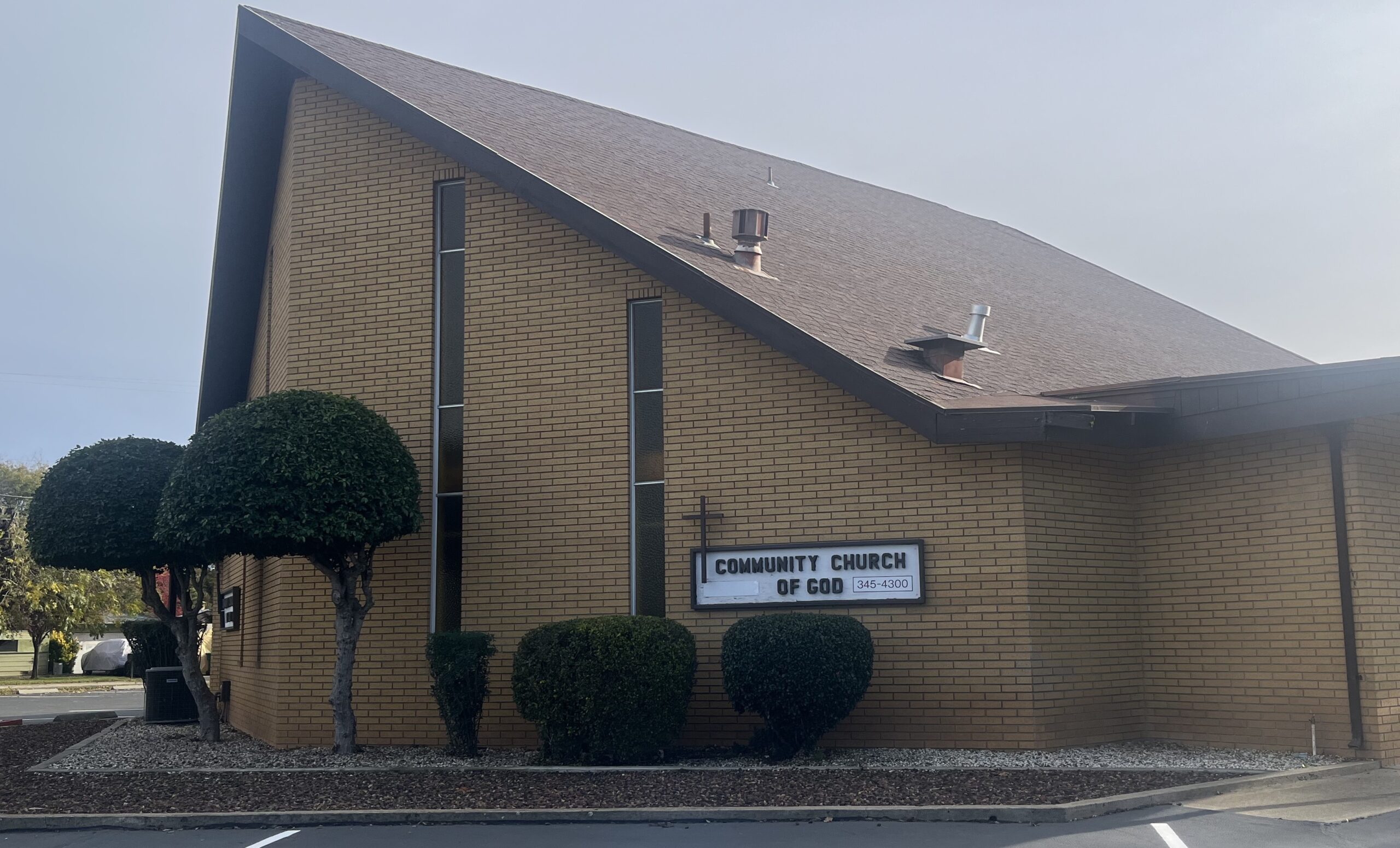
Safe Space wants to open an office at 1909 Esplanade but faces hurdles. The office would be used for intake during the winter, with people gathering in the parking lot for about two and a half hours each evening. After volunteers check in unhoused people, they would be shuttled to one of five participating churches for the night. Crosby said there would likely be between 35 to 50 homeless people seeking shelter, and a half dozen volunteers.

The City, however, indicated earlier that Safe Space needs a land use permit that requires several months to process and costs some $14,000.

Safe Space balked at both the time it would take to get the permit and the cost, noting that it had worked for 18 months reviewing more than 20 potential locations. “It’s crucial that we move forward quickly to open this shelter for the upcoming winter season,” Crosby said. “This building has a parking lot off the street. It has a wheelchair ramp. It’s really conducive to intake for the season.”

By the end of this week, Crosby said she plans to present a “rock-solid argument” that the building Safe Space wants is, in fact, an office — not something that requires the expensive land-use permit. “Every person who has looked at the coding and zoning has said this qualifies as an office,” Crosby said, noting that she has been working with local and state leadership.

The City, she said, is just very “gun shy.”

ChicoSol last month contacted City Manager Mark Sorensen to ask whether the permit could be expedited, but Sorensen said no application had been received.

“There is no permit application to expedite,” Sorensen said in an email. “The Council cannot prejudge a potential future land use decision, as that would be grounds to challenge a future land use decision.”

Crosby said the City “keeps trying to put us in the same category as the Jesus Center or Catalyst” that house people. “We’re not doing any of that.”

During a Chico winter, night-time temperatures often drop to the mid-30s and sometimes lower. Safe Space has struggled in the past to find a location that’s acceptable for intake and approved by the City. Crosby said the nonprofit needs a permanent office, but needs to “baby step” its way to that solution.

Meanwhile, Safe Space said it’s looking for volunteers to help with the winter program and urges interested community members to sign up on its website.

Where to go in a storm
The availability of beds in congregate shelters can vary with weather patterns. Today, for example, there were only five available beds in the Jesus Center’s men’s shelter and none in the women’s. There were 19 open beds at the Torres Shelter and 15 pallet shelters available at the village called Genesis.

But some homeless people are ineligible for those shelter options or unwilling to comply with the rules that are imposed. District 4 City Councilmember Addison Winslow released a statement in October, arguing that in practical terms, shelter availability isn’t as “abundant” as the City suggests.

“The Torres Shelter is a congregate shelter with triple bunks and a curfew of 6pm,” Winslow wrote, noting that some unhoused people may not feel comfortable with or able and willing to accept that environment. Winslow said the pallet shelters are “highly desirable,” but getting the required referral is difficult. He added that the “units are almost never rejected by people camping outside.”

Winslow said the phone line used by people interested in pallet shelter housing produces “hundreds of unanswered calls.”

Amber Abney-Bass, executive director of the Jesus Center that runs the pallet shelter emergency housing, said a response plan was developed during discussions with the court in the Warren v. Chico lawsuit. Abney-Bass said it was agreed that 5 to 10 callers from the Shelter Interest List would be contacted each week.

The number depends on whether the City is in an “enforcement period” — meaning that it is enforcing City ordinances by evicting campers from public spaces.

Abney-Bass said her Outreach & Engagement team receives, logs and returns the calls from people inquiring about Genesis at this pace. The team had “cleared” nearly 1,700 calls at the time of her fall statement to ChicoSol.

“The most challenging part of this process has been that the phone numbers provided are very frequently disconnected, phone numbers may now belong to somebody other than the original caller, or voicemails are never returned,” Abney-Bass said. “I would also like to point out that these are calls logged and do not represent the number of callers. For instance, when somebody has a location change or a new phone number, they often call back to update their previous contact.”

Abney-Bass acknowledged that the Jesus Center’s Renewal Center facilities have been “functionally full” since opening in September 2023, with typically only 1-2 open beds.

“I just want to assure our community that the availability of units at the [pallet] shelter is based on typical challenges that shelter providers face,” Abney-Bass said. “It is a simple reflection of the number of intakes and departures occurring at the site.”

Leslie Layton is editor of ChicoSol. Natalie Hanson is a contributing editor.
This story was corrected at 1:30 p.m. Nov. 20 to state that calls to the Shelter Interest line are returned weekly, not daily. We apologize for the error.

Policy critics: Chico’s Climate Action Plan neglected

Given weather-related disasters, does the City focus enough on climate change?
by Natalie Hanson | Posted August 13, 2024

photo by Leslie Layton
The City’s updated Climate Action Plan.

Butte County, facing the Camp Fire, the Dixie Fire, the Park Fire and extreme heat, has been on the frontlines of climate change in recent years. But the City of Chico has not made policies reflecting the urgency of these crises, some say.

Chico’s Climate Action Commission’s role has over time been cut dramatically, and the plans staff put together over years to help plan for a future of climate change have not been properly implemented, say some Chico residents. In their view, a lack of planning for climate change is symptomatic of the City’s unwillingness to make climate change the focus of policy or even fund the work to do so.

Community Development Director Brendan Vieg disagrees with this view, pointing to progress on plans like the Urban Forest Master Plan. “Combatting climate change provides an opportunity to build a healthy, equitable and resilient community,” Vieg states on the Climate Action Plan update (CAP) website page.

Climate Action Commission chair a critic
Climate Action Commission Chair Brian Scott Kress said that he doesn’t think the City’s strategies, as they stand today, properly incorporate an understanding of how to mitigate climate change or that the City prioritizes his panel’s work. “Our policies and approach to governing should reflect the immediacy of these challenges,” Kress said.

The Commission helped craft the CAP, which was completed in 2018 and updated in 2020. It contains measures to ensure the City meets the state goal of a 40% reduction in greenhouse gasses by 2030 and eliminates them by 2045.

While the City’s master plans for managing its urban forest, wildland vegetation and heat risks acknowledge climate’s role in past wildfires, the plans don’t contain a strong connection with climate change as a cause, Kress said. He finds that alarming because Chico is required to align with state targets for reducing greenhouse gas emissions to get certain kinds of state funding. Those funds cannot only help lower energy bills, improve transportation networks and electrify homes and businesses, but aid in mitigating dire climate consequences already underway in the region, Kress said.

“We should be adamant about integrating a climate lens into our actions – the consequences of inaction are already here,” Kress added. “Chico has the responsibility to become a model for resilience and proactive climate action, demonstrating effective strategies that can be replicated across the region, if not the country.”

The City Council changed the Commission from holding standing monthly meetings to meeting “as needed” in November 2023. City staff last called the Commission to meet in April with a limited agenda. Fewer meetings have limited the Commission’s ability to guide efforts to address climate change and keep the City on target to accomplish the CAP goals, he said.

Kress is a founder and principal at a Chico venture studio called Dayani that designs digital services to address climate change. He worries that many local elected officials do not discuss climate change or propose ways to address it within official strategies. The City Council has a lot of influence, as those elected leaders set the priorities and direction for staff.

“When we see local climate action, vulnerability, and scenario planning largely missing from crucial plans like our wildfire mitigation strategy, it’s clear that those plans are leaving our community members vulnerable to climate risks,” Kress said. “We need all our city leaders to be vocal, clear-eyed, and proactive about climate action.”

City official disagrees
Vieg, though, vouched for his team, noting that staff work hard to incorporate the Commission’s work — with consideration of the changing climate — into master plans.

Vieg said the City followed the CAP’s recommendation to implement an Urban Forest Master Plan to maintain a healthy urban forest for the next 40 years. The plan includes work to add to the City’s forest canopy, manage open spaces and natural resources and keep a public tree inventory. He also noted that the City’s Fire Department developed a Community Wildfire Protection Plan in 2022 to “assess wildfire threats, community preparedness, defensibility, and potential hazard mitigation measures.”

The City’s 2018 Climate Change Vulnerability Assessment contains lots of information about extreme heat and increased wildfire risks, and cites Bidwell Park’s woodland and savanna ecosystems as being most at risk of suffering the effects of climate change.

“Many of these areas are biologically rich in species and can be easily be disturbed by changes in the number of extreme heat days, heat waves, and overall increased temperatures,” according to the assessment.

Stemen: Climate not a City focus
However, Chico State professor of geology and environmental studies Mark Stemen says that mentioning climate change in City plans is not as effective as making it the focus of official policy.

Stemen has spent a lot of time with City staff to craft official plans. But he told ChicoSol that he’s worried that City leaders don’t take climate change seriously enough to use those plans to proactively handle the impacts of drought and extreme heat on the city and parks.

Stemen formerly sat on the Climate Action Commission. He said that since the pandemic began, the City has not financially supported efforts to reach stated climate goals. The City also hasn’t been completing reports on efforts to reduce greenhouse gas emissions, despite being required to do so under its CAP procedures. And the parks division does not file reports on any efforts to sequester carbon in its plans for managing public lands, he added.

Stemen said these problems point to an unwillingness to make climate change the center issue around which strategies revolve. For example, he said that Chico and Butte County officials do not name conditions arising from climate change — including hotter, longer, drier summers — as the real driver of catastrophic fires. The City hasn’t touched the Commission’s plan to handle extreme heat due to climate change, which has sat in Internal Affairs since 2021, he said.

Stemen also said the City has not made enough movement toward transitioning from fossil fuels and planning around vehicles and taking action on cutting greenhouse gas emissions.

“It’s easier to blame someone else than admit we’re the ones that are doing it,” Stemen said, referring to human-induced climate change.

Progress at the County
There’s some progress on the way, as Butte County this month announced that it will partner with a Rocklin firm to restart its own Community Choice Aggregation (CCA). The CCA is a program that allows cities, counties and other qualifying governmental entities to purchase and/or generate electricity for residents and businesses, Stemen said. (Chico hasn’t been sending its representative to the county’s CCA meetings, he said.)

That countywide effort will be crucial to stop taking a reactive approach to climate crises, and instead start learning from other cities’ work.

The City’s Climate Action Commission took notes from the city of Albany, Calif.’s work on issues like carbon sequestration, Stemen said. There’s no reason why the City can’t do as well, if not better, he added.

Although discussions locally in recent weeks have revolved around controlled burns as a method of wildfire prevention, efforts to address climate change require many types of proactive work, Stemen said. “We can’t just control burn our way out of climate change,” he added.

Natalie Hanson is a contributing editor to ChicoSol.

City threatens legal action against councilmember

First Amendment attorney: amicus doesn't justify closed session
by Leslie Layton | Posted December 4, 2023

photo by Karen Laslo
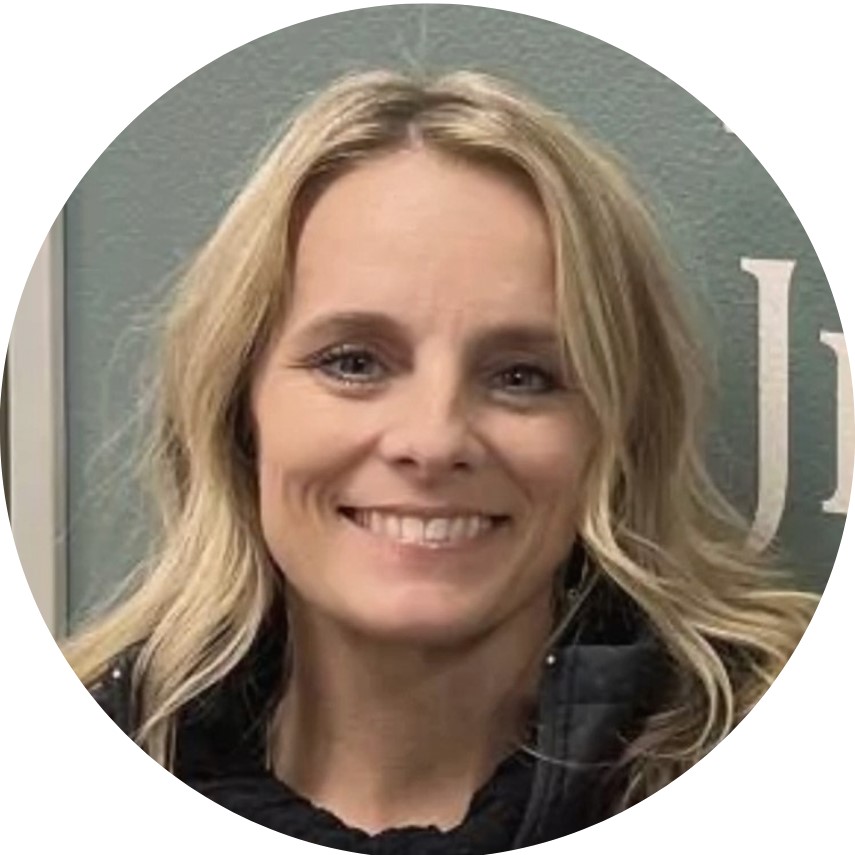
District 4 Councilmember Addison Winslow

The City of Chico has issued a Cease and Desist order to Councilmember Addison Winslow, accusing him of divulging confidential information from a closed session. The councilmember has responded, calling the City’s accusations “politically motivated” and its threat of an injunction “an act of political repression.”

At the heart of the problem is an amicus brief -– a legal document the City filed with the U.S. Supreme Court on the subject of homelessness -– and whether the discussion and decision to file the brief justified a closed session. The 48-page document, likely to cost almost $30,000, supports an effort in Grants Pass, Ore., to get a Supreme Court review of rulings that limit the ability of cities to enforce anti-camping ordinances.

In a Nov. 27 cease-and-desist letter to Winslow, the City warns that the District 4 councilmember, the panel’s lone progressive, is “on record discussing confidential closed session information” with ChicoSol and two other media outlets. It threatens legal action against Winslow if disclosures continue.

Signed by City Attorney John Lam, the letter says Winslow has violated state law by disclosing confidential information, but doesn’t specify what was disclosed that was confidential. “For any future violations, the City is prepared to take all necessary legal action allowed by law …,” Lam states.

(Lam said in an email received this evening that he had no comment on the matter beyond the letter.)

The City of Chico warns that it can seek injunctive relief for unauthorized disclosure or refer to the grand jury.

The City contends that Winslow’s “unauthorized disclosure … actively undermines the interests of the City and its residents.”

Winslow challenges that notion in a Nov. 30 statement addressed “To the residents of Chico,” and says that the letter is clearly referring to the councilmember’s comments on the amicus brief. ChicoSol reported early last month that the brief could cost up to $50,000, an estimate that Winslow said then had been provided to the Council.

In an email today, City Manager Mark Sorensen says that preliminary amicus brief fees and costs total $29,487. The cost of filing the document is public information, and ChicoSol has filed a Public Records Act request for information on the final cost.

Winslow also told reporters last month that overturning court rulings on homelessness could create a “humanitarian disaster,” and said the amicus brief might have little or no impact.

In his response to the City, Winslow writes: “The threat to pursue a gag order on me for discussing public business openly is an alarming act of political repression and a perversion of the intention of the Brown Act. The interest of the public is in candid and open discussion by policymakers, which I attempt to uphold.

“For my own legal protection I have to comply with the demands of the letter but the notion that any disclosure harmed the interests of the City is specious and politically motivated,” the councilmember says.

Winslow asks why a closed session was needed for the discussion on the amicus brief. “Who are we negotiating against that compels us to keep these communications private?” he says.

At the First Amendment Coalition based in San Rafael, Legal Director David Loy said he would “tend to agree” that the filing of an amicus brief would not justify a closed session. The filing of such a brief is merely a statement of opinion or viewpoint, he pointed out, not a step toward initiating litigation.

The exceptions made in the Brown Act for closed sessions “should not cover amicus briefs,” Loy said, when the supporting petitioner -– the city filing the brief — would not be a party to the case and likely to be sued.

The Brown Act allows exclusion of the public for closed-session meeting in specific circumstances, as in the case of “pending litigation when discussion in open session … would prejudice the position of the local agency in the litigation.”

Winslow says the closed session was “part of a broader pattern of the City Council invoking the Warren v. Chico settlement as a blanket excuse for restricting matters related to shelter and homelessness in Chico to closed session meetings …”

“This letter and the rancor of the City Council majority behind it stifles my ability to represent the public on crucial issues. I will, however, continue to oppose abuse of the Brown Act, strive to assure public matters are discussed publicly, and defend the interests of the people I am elected to represent,” Winslow’s statement says.

Leslie Layton is editor of ChicoSol.

Pallet shelters offer refuge, future

Evictions are ongoing as City faces persistent homelessness
by Leslie Layton | Posted November 9, 2023

photo by Karen Laslo
Pallet shelters now comprise “Genesis.”

Part II of a two-part series. Read part I on surviving extreme conditions here.

Beyond the gate that secures southeast Chico’s “Genesis,” the little grey sleeping cabins are in orderly lines. There are suggestions that this is home, for the moment, to occupants who have planted a cactus garden, or leaned a bicycle against their pallet shelter, or left a walker by the door.

The 177 pallet shelters – the village named Genesis — provide autonomy and greater security than the occupants, who were previously unsheltered, probably had before they moved in. They’re a key piece in what success the City has had in responding to homelessness, a product of the 2022 settlement in the Warren v. Chico lawsuit.

Since that settlement, signed almost two years ago, the City has eliminated the large, sprawling encampments in public parks and along the creeks. But Genesis, other housing options and the City-sanctioned “alternate site” campground – also opened in response to the lawsuit – have not resolved the shelter crisis.

That crisis continues, in lockstep with the ongoing debate over the City’s responsibility as it faces homelessness and housing shortages. Smaller encampments continue to pop up, sometimes yards away from where an eviction recently took place.

Five years after the Camp Fire destroyed some 11,000 Paradise-area homes, driving up housing costs and adding to the number of unhoused, Butte County still wrestles with homelessness. The number of homeless people in the county increased by 7 percent in 2023 over the previous year, according to the January survey conducted by the Butte County Continuum of Care.

The largest share of that population – 925 – live in Chico. Here’s the good news: The percentage that reported that they were unsheltered on a given night dropped from 44% to 40% of the total.

“We have more people in shelter now than we’ve ever had,” said Charles Withuhn, founder of the North State Shelter Team that is one of the organizations belonging to the Continuum of Care consortium. “This is great news. But there are still other people [for whom existing] options don’t work.”

The City also acknowledges that it still faces problems related to homelessness, but places the blame not on the menu of options, but on a court settlement that has its enforcement operations constrained.

“Chico settled its homelessness litigation in January 2022, yet problems persist,” the City states in a legal brief filed Nov. 3 with the U.S. Supreme Court in support of an effort to revisit court rulings on homelessness.

(City Manager Mark Sorensen didn’t respond to a request for comment.)

City Councilmember Addison Winslow, the lone progressive on the panel, said City staff had estimated the cost of filing the brief, which he opposed, at $50,000.

Withuhn points to the alarming number of people who die on the streets each year as evidence that the shelter crisis is unresolved. Chico Police Department has issued 15 “Death in Public” press releases so far this year, two more since part I of this story posted on Oct. 2.

City officials point to unoccupied pallet shelters and open beds at the two congregate (dorm-style) shelters to show that sheltering space is available, which enables evictions, or “enforcements” under the settlement agreement. Evictions have come in a steady stream this past year, and the City was evicting campers from sites in southeast Chico this week, including on a portion of bike path that runs from Skyway to Teichert Ponds.

On Nov. 8, for example, there were three open beds in the women’s dorm at the Jesus Center, 51 open beds in the men’s dorm at the Torres Community Shelter, and 17 available pallet shelters.

The Genesis vacancies rankle people like Nathan Beakley, who was evicted in the sweep of Depot Park last summer. Beakley was referred to the Torres Shelter at the time, but when he was interviewed by ChicoSol in late September, had declined to go and wanted a pallet shelter with a locking door and privacy. With no referral, the pallets were inaccessible.

“The pallet shelters work,” Beakley said during an interview in downtown Chico. “They need 200 more.”

The day following his interview, he called ChicoSol, and in a desperate voice said the pallets were a “wasted resource.”

Beakley balked at the curfew and other rules imposed by the Torres Shelter and worried that his belongings would be unsafe in its dormitory.

Warren v. Chico shapes enforcement, sheltering
When eight unhoused people filed the Warren v. Chico lawsuit in April 2021, their argument was in part based on the landmark Martin v. City of Boise ruling. In that case, plaintiffs argued that to prosecute people for their use of public space was a violation of the Eighth Amendment – prohibiting cruel and unusual punishment – if there were no alternative shelter spaces.

Under the settlement, the City was able to establish an assessment procedure, reserving pallet shelters for unhoused campers who have been referred there. The settlement doesn’t require people be given options even when they may exist.

Amber Abney-Bass, executive director of the Jesus Center that runs Genesis on contract for the City, explained that an unhoused camper’s stated preference is not a “determining factor” in placement.

“People don’t have the opportunity to choose,” said Abney-Bass. “Our goal is not to have empty beds. We’re triaging here. This is the process that was blessed by the plaintiffs, blessed by the City of Chico, and ultimately by the judge.”

As a “small example” of how a decision might be made, Abney-Bass said a couple might be given higher priority for a pallet shelter than a single person if it seems the single individual could go to Torres’ gender-segregated dorms. “The settlement protects people who are partners,” she said.

To request assessment, unsheltered people are asked to call the City’s Shelter Interest Phone Line. But the website warns that because of a “high volume of calls” it may take several weeks to get a response.

The settlement agreement requires that the Outreach and Engagement team conducts assessments of unhoused people who request them or undergo eviction. The team must attempt to contact 10 people each week — unless evictions are underway. In that case, the team only contacts five people who have called in.

At the end of September, Abney-Bass said her staff was more than halfway through the 1,660 calls that had been logged to the line.

From Genesis to a new home
Abney-Bass is proud of one measure of the program’s success: In the eight months after the pallets opened last year, 14 residents of Genesis moved to a rental unit, re-united with family, or found other transitional or permanent housing.

That number may sound small, but after homelessness, people often need months to get back on their feet.

“They’re psychologically accustomed to living in survival mode,” she said. “They need time to move out of survival mode, time to do that and breath and believe. We should celebrate every single one of those [14] people.”

Robert Wetzel wants a chance at one of the City’s pallet shelters. Like Beakley, he said he was referred to Torres, where he’s already been numerous times. He doesn’t want to return, so he’s living at the alternate site campground in north Chico. Campers there are routinely subjected to passersby shouting and shooting at them, as well as other offenses, he said. (See sidebar.)

Enforcement or another option?
City leaders have continued to focus on enforcement of anti-camping ordinances as their tool of choice, keeping parks and waterways free of encampments.

Now, when a new encampment pops up, “we’re instantly responding to it” with warning notices, Mayor Andrew Coolidge told Action News last month. Asked about people who continue to refuse shelter, Coolidge said this: “You’re gonna see prosecutions come from the City of Chico.”

(The mayor didn’t respond to a request for comment for this story. See sidebar here.)

To underline its concern, the City recently filed an amicus brief with the U.S. Supreme Court, supporting an effort to get judicial review of the lower court rulings on homelessness, including the 2019 Martin v. Boise case.

“Chico’s homeless population has become significantly more defiant with city personnel and the general public as the immunity afforded by [Martin v. Boise ruling] strips away the deterrence that anti-camping laws provide,” it states in the brief.

Withuhn, who three years ago founded the North State Shelter Team that now runs a mobile shower unit, says the fact of “open beds” at a congregate shelter may be “meaningless” to people who have been there and had “really bad experiences,” or who can’t adapt to that kind of environment.

Withuhn believes that a “significant number” of unhoused community members need some kind of managed, outdoor living set-up. He’s explored programs that offer case management and successfully move people into housing. He’s now advocating a “safe spot community” that could be placed on a church parking lot and include some tiny homes that have already been built.

“The point is,” Withuhn said, “people are going to die outside unless we provide more shelter right away.”

Councilmember Winslow, a bicyclist, noted that encampments don’t belong on City bike paths or in other public and private spaces. But the effort to uproot them without offering an option campers won’t resist is a “lose-lose situation.”

“We’re chasing them around from one spot to another and it’s not good for anybody,” Winslow said. Forcing people to go to dorm-like shelters when they have reasons for not going — reasons that might be “more legitimate or less legitimate” — isn’t working, he added. And it places people who won’t go to a congregate shelter and have no other choice “outside the law.”

Winslow believes the City should “take responsibility” for the lack of affordable housing and offer -– with the help of volunteers and nonprofits — options that are still needed.

“It’s not a perfect solution, but we can make something decent enough until we have enough housing for everybody,” he said.

Jason M., interviewed at City Plaza in late September, said he was evicted from a pallet shelter earlier this year for having too many belongings piled up inside that were deemed a fire hazard. He’s since pared down and wants a second chance.

Where does he live now?

“Everywhere and nowhere,” he said. “You have to keep jumping, you have to hide, keep a low profile. I have to be careful about going back to the same spot; I’ve been warned so many times. The problem is the economy; it’s tough to find a job.”

Leslie Layton is editor of ChicoSol.
Editor’s note: Jason M. passed away shortly after this series was posted; his body was found Nov. 20 at Fifth and Main streets.

Survey designed to build support for sales tax measure produces good response

Trust will be a problem for the City of Chico
by Leslie Layton | Posted April 21, 2022

photo by Leslie Layton
Deadline for returning the “Essential City Services” survey is April 22.

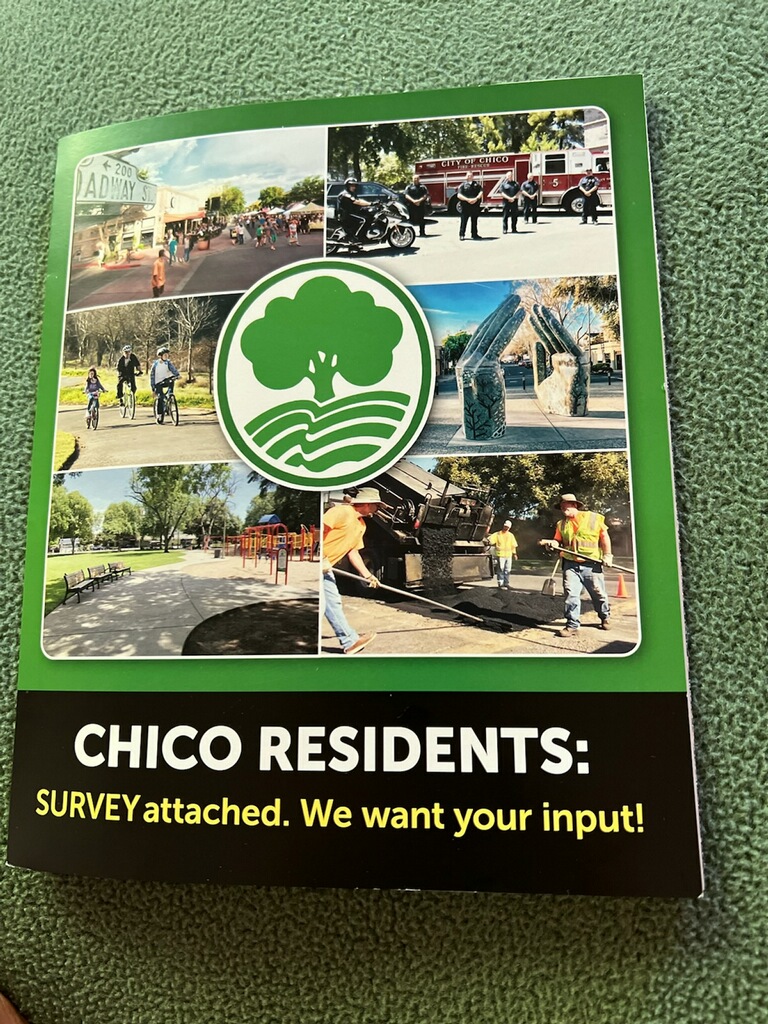
A mailer from the City of Chico with a survey to be returned by April 22 is a piece in a three-phase campaign to win support for a city-wide 1 percent sales tax. The survey asks city residents to rank their spending priorities in order of importance.

Chico is one of about eight “full-service” cities in the state that don’t have a local sales tax; it receives a small portion of state sales tax revenue only. Full-service cities provide public safety and other services.

ChicoSol was contacted by several readers when the Essential City Services survey began appearing in mailboxes earlier this month. The Chicoans said they didn’t know they were about to be surveyed and were confused by the mailer, which was signed by Matt Madden, Chico police chief who was then interim city manager.

ChicoSol then filed a Public Records Act request to find out how much the mailer cost.

The City responded to the PRA within the 10 days required by law, sending three documents, none of which were explicit about this particular cost. One of the documents, however, is the professional services agreement between the City of Chico and the Oakland firm CliffordMoss, which details how the firm will build support for a sales tax measure that will appear on the General Election ballot in November 2022.

A City staffer confirmed today that the City is in the third phase of a three-phase CliffordMoss program, and said many of the invoices involving the mailer costs haven’t yet been submitted. The contract between the City and CliffordMoss says the entire phase 3 — including a mailing to “listen, inform and engage,” stakeholder meetings and virtual town halls — may cost $32,500. The bill for the entire contract is not to exceed $91,500.

The survey struck some ChicoSol readers as so superficial it was meaningless. One Chico resident, for example, was annoyed that police patrols were lumped in with firefighting in the same public safety category and she couldn’t separate the two. The mailer asks city residents to rank spending on public safety, homelessness, road maintenance, parks, conservation and economic “vibrancy” in order of importance.

Angie Dilg, management analyst for the City, said people can submit more elaborate responses by emailing the City at betterchico@chicoca.gov and on this website.

“We want citizens to tell the city what’s important to them,” Dilg said. “The survey only [provides] so much information. We have gotten quite a lot of responses and are pleasantly surprised.”

Democratic Action Club Chair David Welch said the survey categories were too broad, but his wife returned it anyway. “It’s the kind of survey that, whoever compiles the results, can use it to justify whatever it is they want to do,” Welch said.

A 2019 city survey showed widespread support for a sales tax increase, and in September of last year, the City Council voted unanimously to place a sales tax measure on the ballot to help cover funding gaps for services.

If the measure is approved in November, it could increase revenue by $24 million to $27 million. The City’s Dilg said a presentation on the survey results will be made to the Council.

Welch believes it would be a mistake to place a sales tax measure on the ballot in November even though, he says, the city probably does need the revenue it would produce.

“No one trusts this Council to spend the money wisely,” Welch said, adding that there’s a sense that additional revenue would be spent on more police. “It will get clobbered this year and go down to terrible defeat.”

Democrats will likely be 48% of the City’s registered voters in the General Election, according to CliffordMoss, with Republicans at 30% and others at 22%.

The firm alluded to a lack of trust between the Council and voters in its proposal submitted to the City in November. In that proposal, it talked about pre-pandemic polling two years earlier.

“81% of voters agreed that after the Camp Fire, the city required more funds to deal with the aftermath. 71% of voters however were concerned that funds would be going to the general fund, as there seems to be a lack of trust between your voters and the city council, despite largely approving of individual city departments.”

The proposal said 89% of voters wanted infrastructure improvements.

CliffordMoss promised the City, “Deliberate, Ongoing Attention to Skeptical Voters and Those Who Represent Them” in the proposal. “Customizing this stakeholder engagement here (think Chico Taxpayers Association) where listening EARLY helps deliver a return on investment down line” the proposal states.

Welch said that since that pre-pandemic polling, anger has built toward the Council on the part of both conservatives and liberals because of how it has spent taxpayer funds.

A sales tax is “troubling” to liberals anyway, he said, because it hits low-income residents harder than it does affluent residents by eating up a larger part of their income. He says liberals might otherwise support a sales tax because they’re anxious to see infrastructure improvements, as well as investment in low-income housing, but the trust factor will an obstacle at this point.

The Camp Fire destroyed a great deal of the region’s low-income housing, Welch pointed out, and demand for that housing isn’t going to be met by the private sector.

Welch recently posted on Facebook a lengthy list of vacancies in city staff positions, and the City’s website shows some 20 vacancies. Signing bonuses of between $10,000 and $20,000 are offered for wastewater operator, police officer and dispatcher positions.

If the City isn’t able to fill those positions, Welch said it either reflects that, “we are not paying enough or the work environment is very toxic.”

Earlier this week, an email from ChicoSol to the City’s human resources director Jamie Cannon produced an automated reply stating that Cannon “is on a leave of absence until further notice” and an interim human resources director has been appointed.

Leslie Layton is editor of ChicoSol.